
THE TRACKNEST BLOG
Better days
at the front desk.
Practical ideas for package management, smoother handoffs, and the people who keep buildings moving.
Ideas you can put to work.
Page 3 of 11
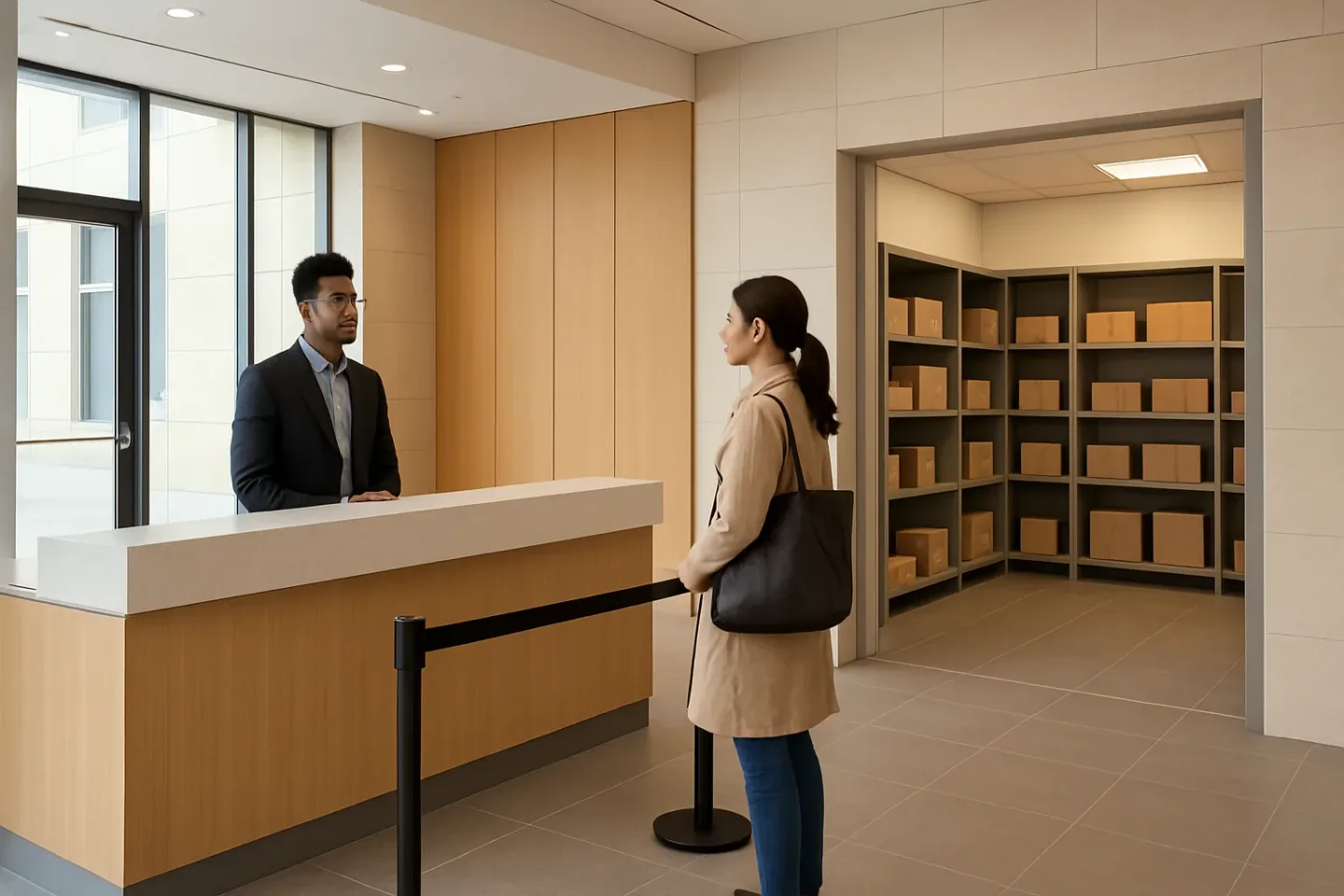
Package Room Fraud & “False Pickup” Prevention: Low-Friction Controls That Stop Opportunistic Theft
Opportunistic package room theft often looks like a normal pickup. This guide maps common fraud patterns—”picking up for my roommate,” screenshot confirmations, badge tailgating, and social engineering—to a sim
Read article ↗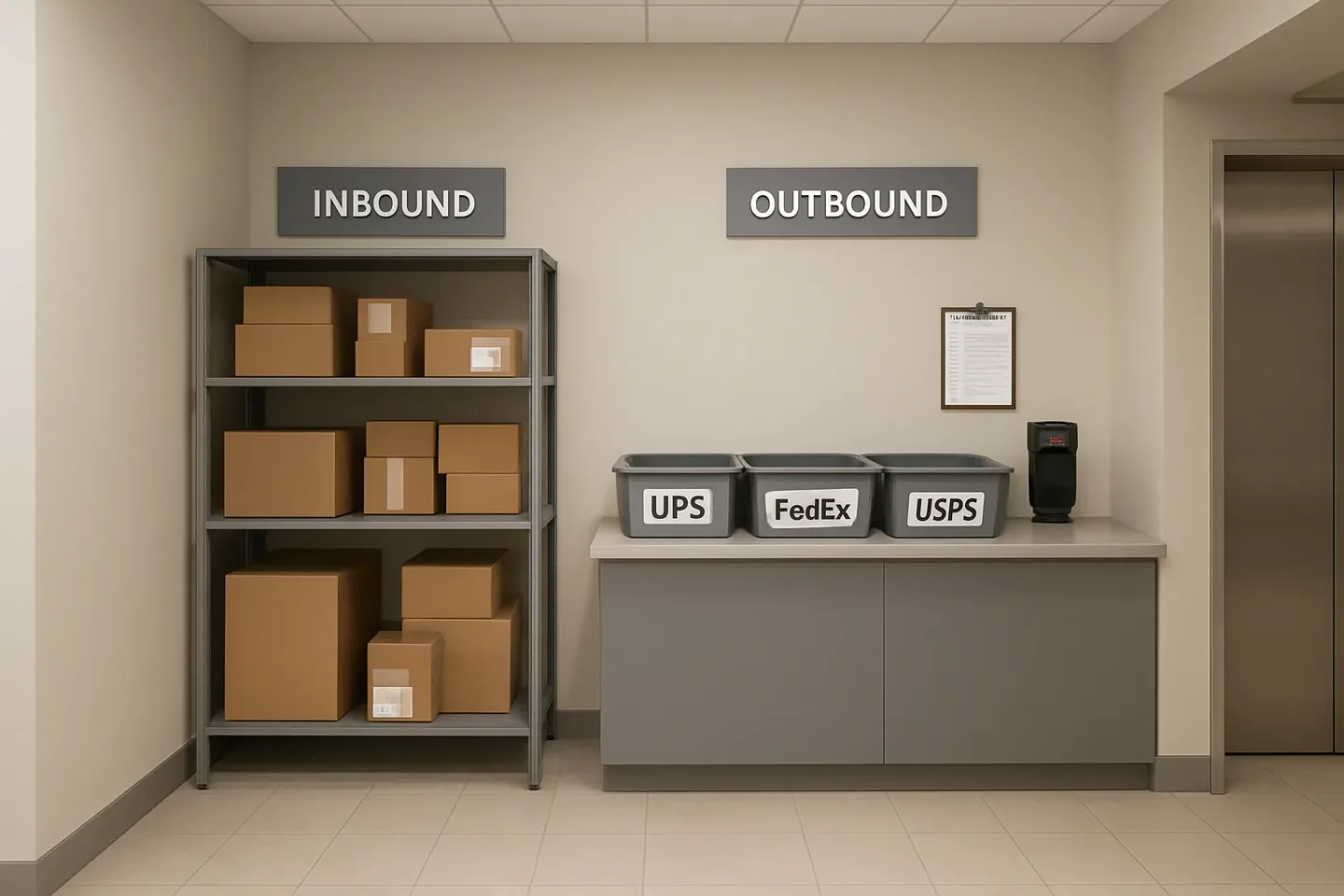
Returns & Outbound Packages in Apartments: A Resident-Friendly Workflow That Prevents Mix-Ups, Carrier Refusals, and Liability
Build a clean, auditable outbound package workflow for apartments by separating returns from inbound inventory and enforcing label verification, carrier match, pickup windows, and documented handoff—reducing mi
Read article ↗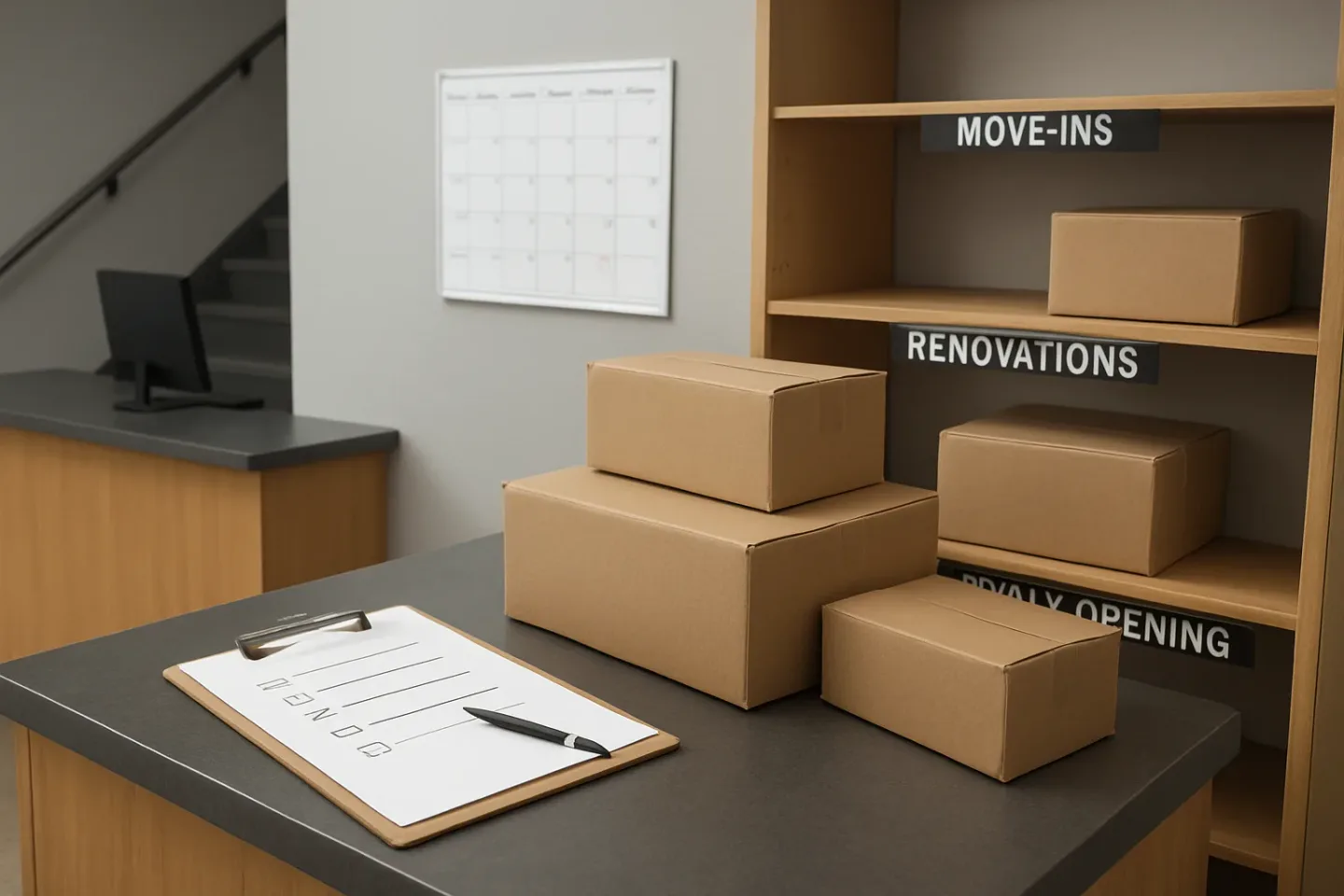
How to Forecast Package Volume by Property Events (Not Just Seasonality): Move-Ins, Renovations, and Amenity Opens
Seasonality helps, but building events drive the biggest surprises. This guide shows an event-based, no-data-science worksheet to convert move-ins, renovations, amenity opens, elevator downtime, and package-roo
Read article ↗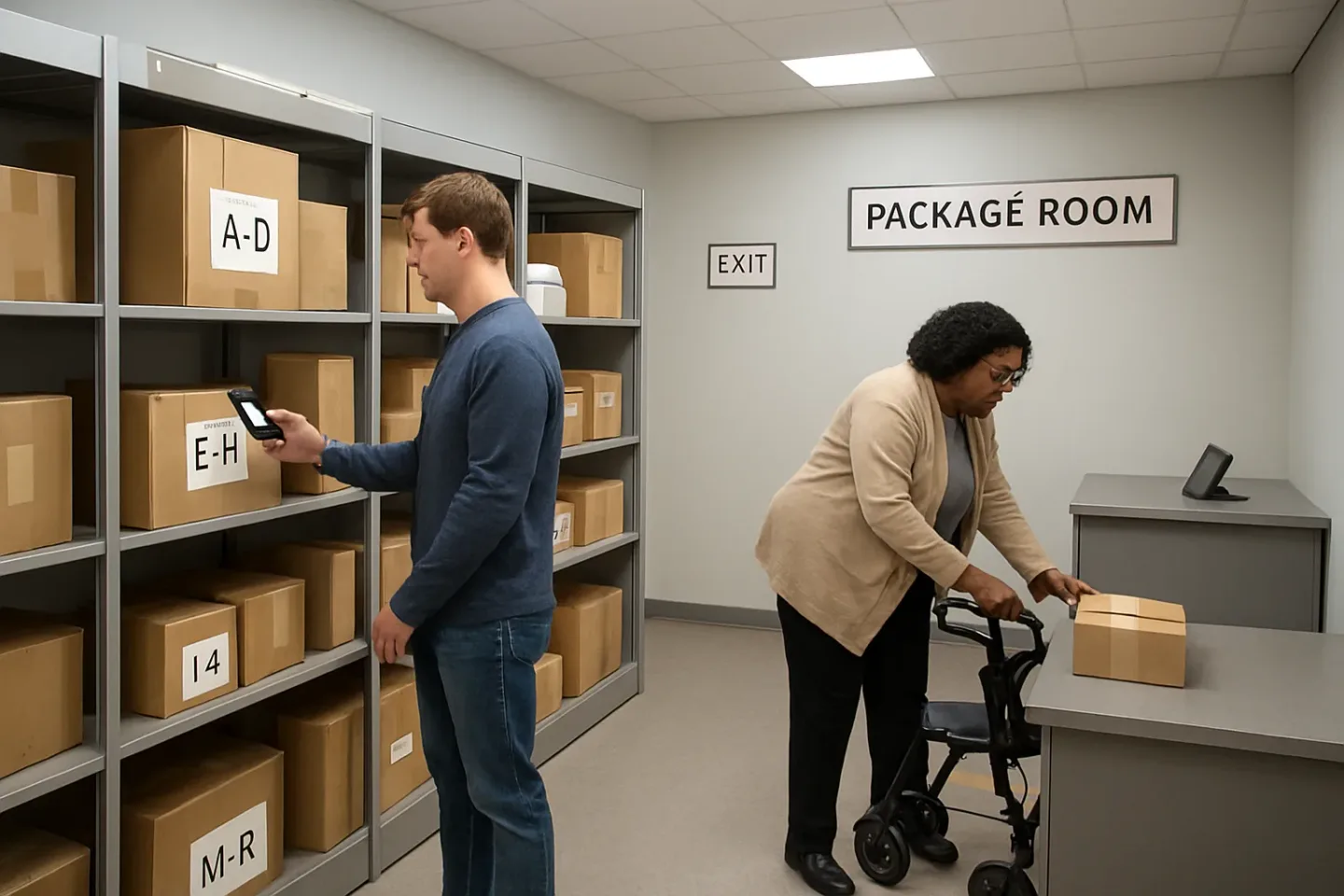
Accessibility-First Mailroom Operations: ADA Package Room Best Practices for Labels, Signage, and Retrieval Flow
A practical, operator-focused guide to ADA package room best practices—defining measurable standards for accessible signage, large-print shelf labels, contrast, reach ranges, lighting/glare control, and inclusi
Read article ↗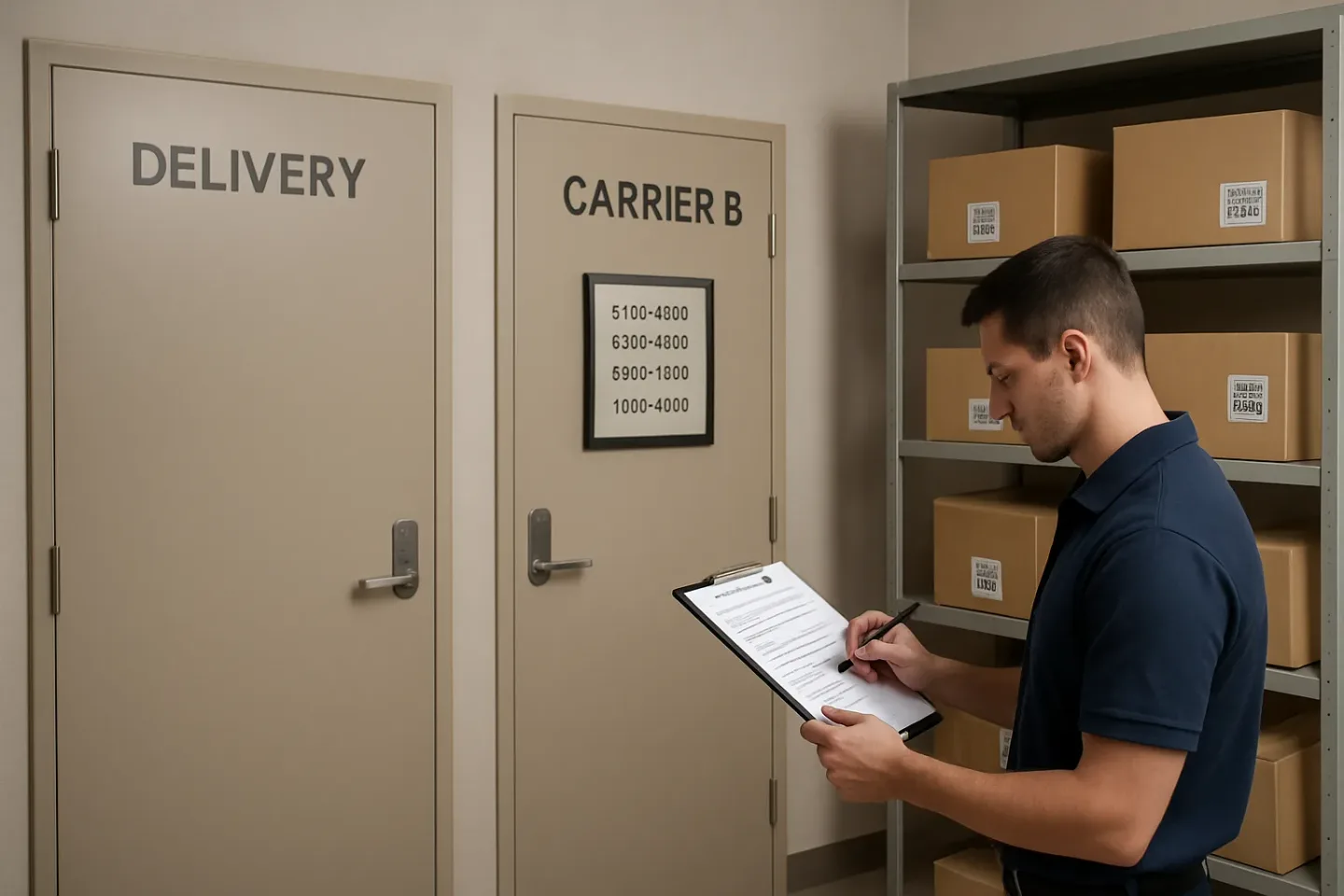
Carrier Arrival Smoothing for Apartment Buildings: Door Rules + Micro Time-Windows Without Contracts
A cooperative, low-friction way to reduce peak-time delivery chaos: define door rules by carrier, publish small arrival windows, use overflow triggers when volume spikes, and track two simple metrics to keep co
Read article ↗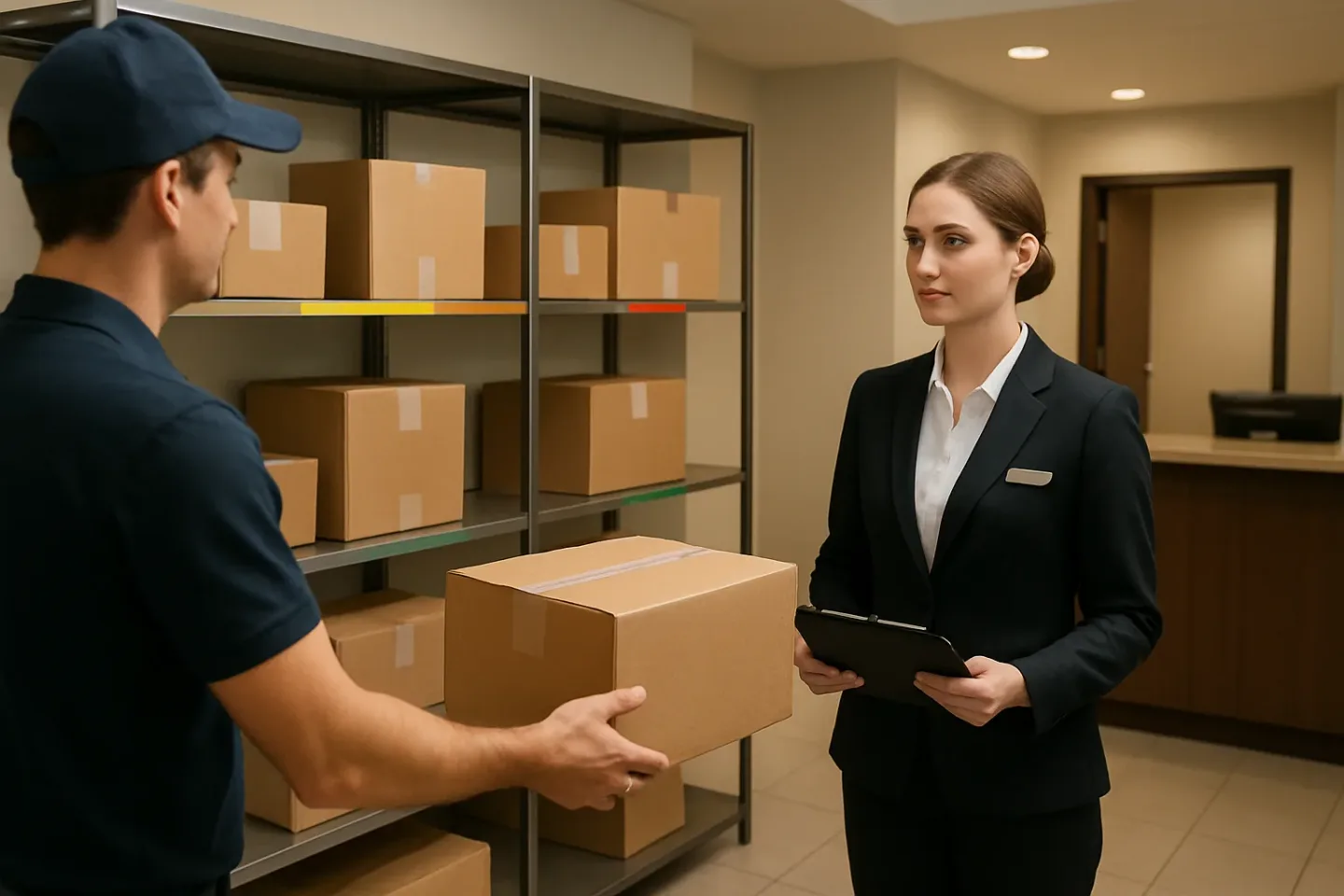
Carrier Scorecards Without Politics: A 30-Day, Data-Light Way to Reduce Misdrops and Damages
A practical, data-light carrier performance scorecard for package rooms: three micro-metrics, a simple incident log, and a calm weekly review cadence that replaces anecdotes with trends and improves outcomes.
Read article ↗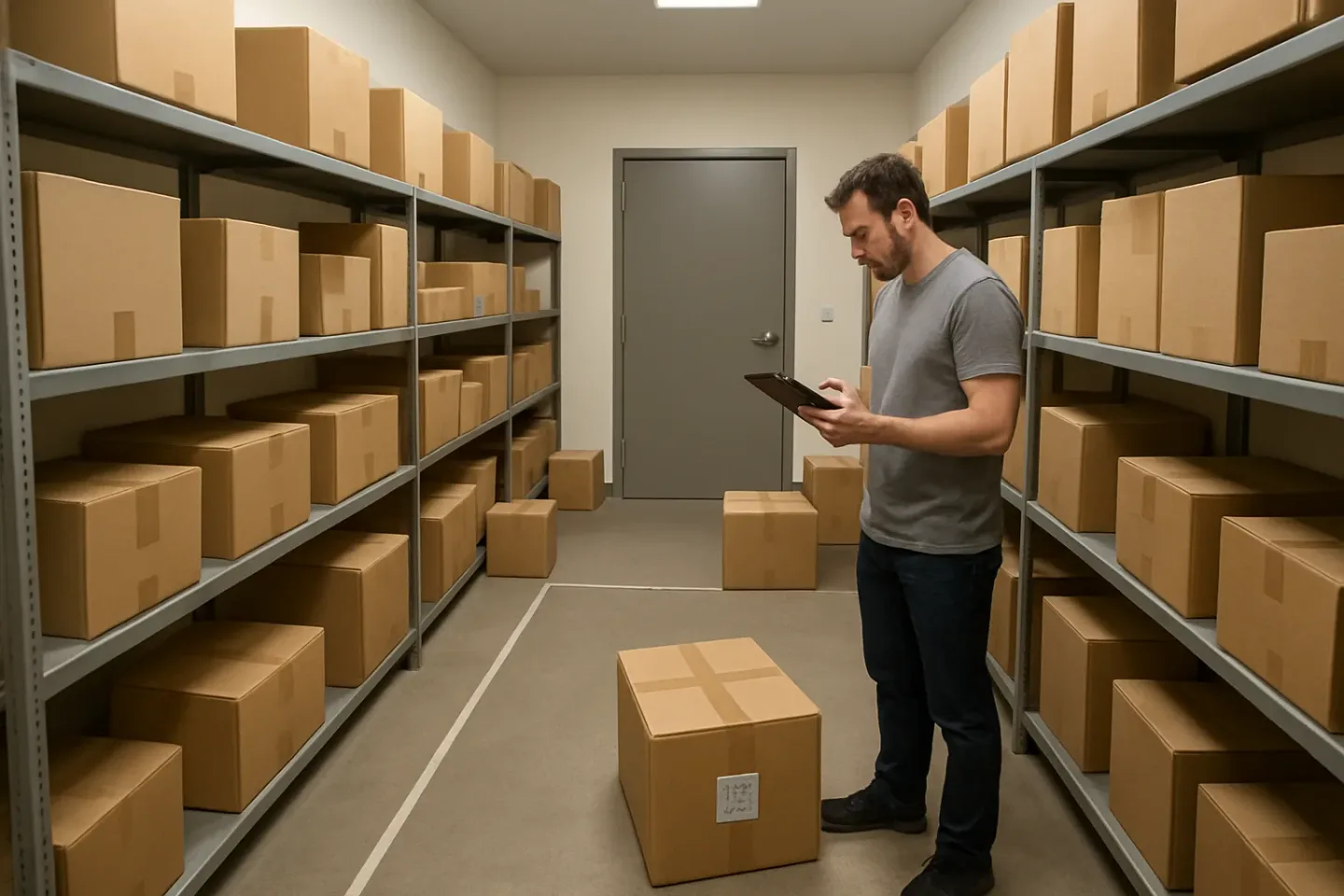
The Two-Tier Package Room Storage Model: Fast-Pickup vs. Slow-Pickup to Cut Re-Handling
A practical two-tier package room storage system built around pickup velocity (time-in-room), with clear 24h/72h triggers and a quick per-shift migration routine to reduce re-handling, searching, and clutter.
Read article ↗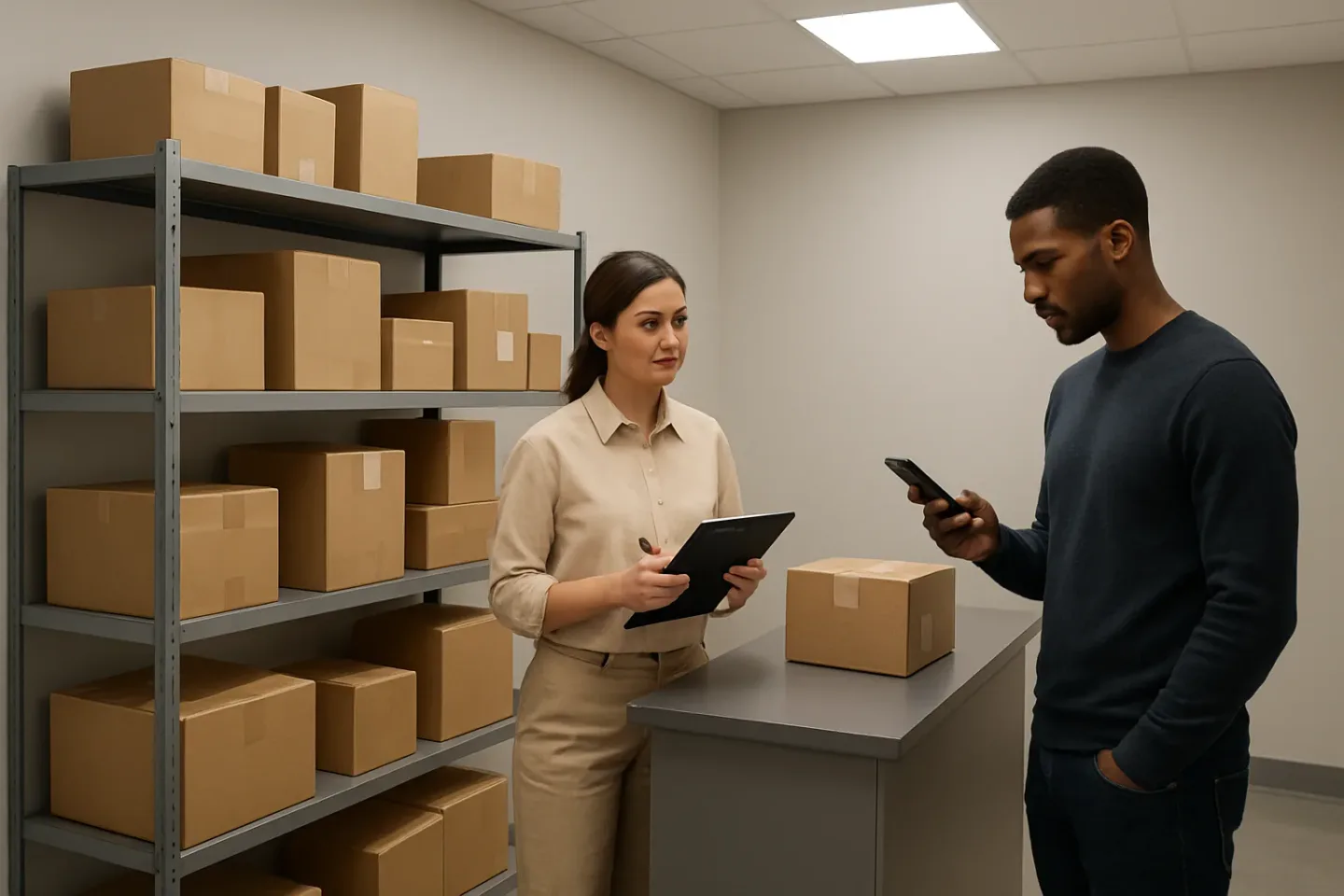
Resident Communication That Prevents Missing Package Tickets: A 6-Message Library Tied to Specific Failure Modes
A practical library of six resident messages—each tied to a real package-room failure mode—with sending rules that reduce repeat questions, prevent missing package disputes, and set clear pickup expectations.
Read article ↗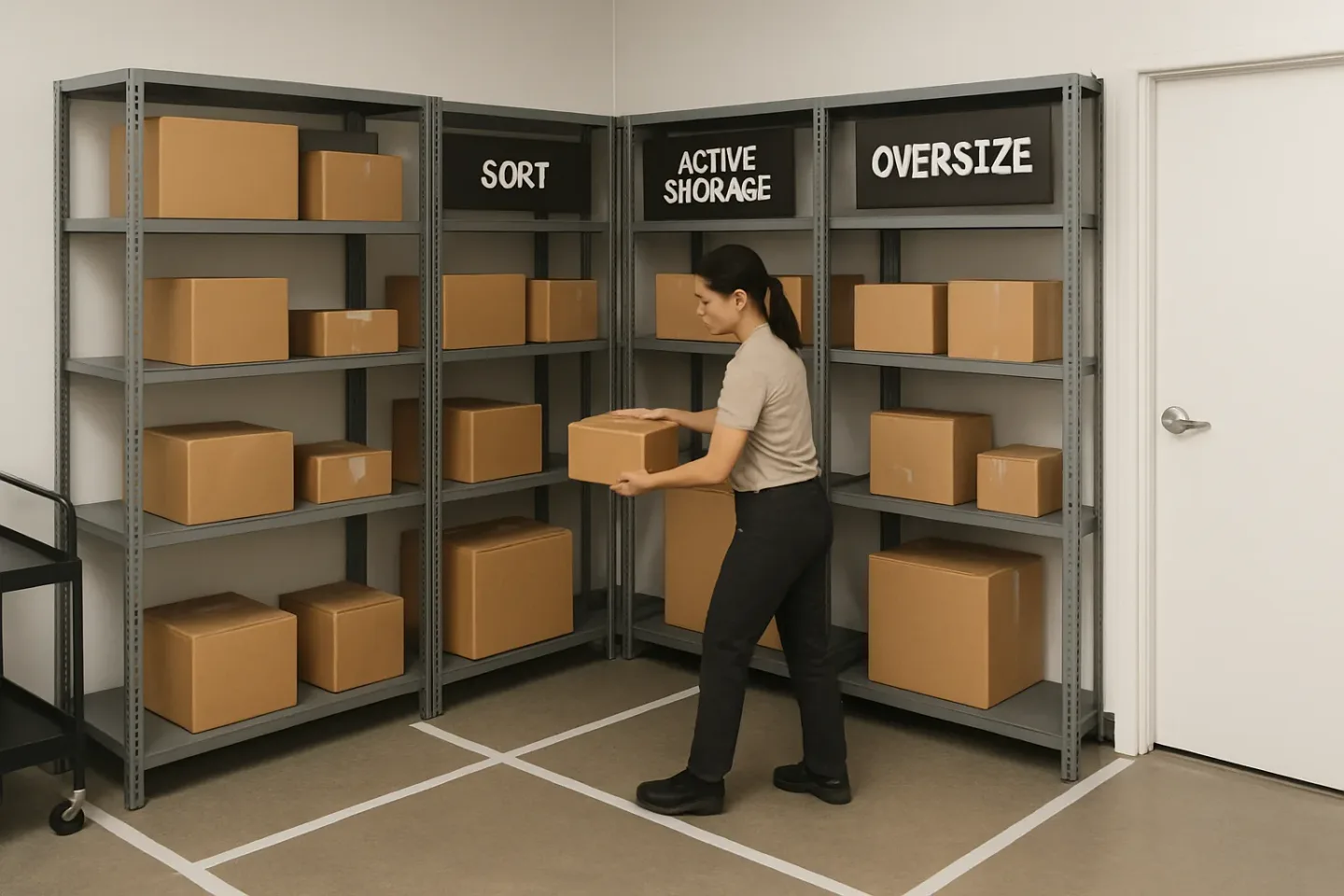
Package Room Visual Management Standards: Tape Lines, Shelf Names, and Color Cues New Staff Learn in One Shift
A practical “visual grammar” for package rooms—zones, shelf names, color cues, and exception markers—that makes the room self-explanatory even with turnover, part-time coverage, and inconsistent handling.
Read article ↗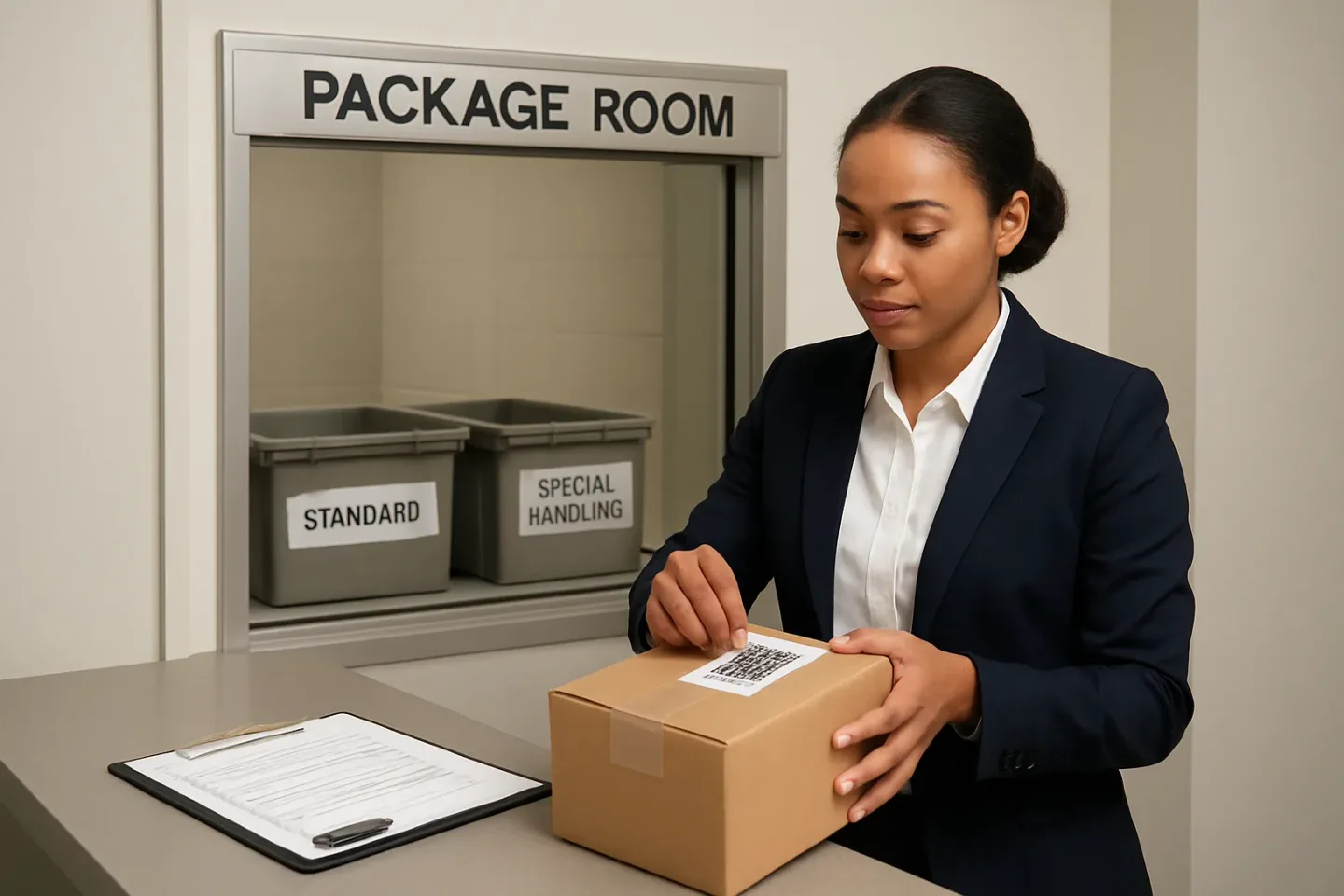
The High-Liability Playbook: A Defensible SOP for Controlled, Perishable, and Adult-Signature Packages
Controlled items, perishables, and adult-signature deliveries can turn your package room into a liability trap. This playbook provides a clear accept/decline/redirect decision tree, minimal documentation rules,
Read article ↗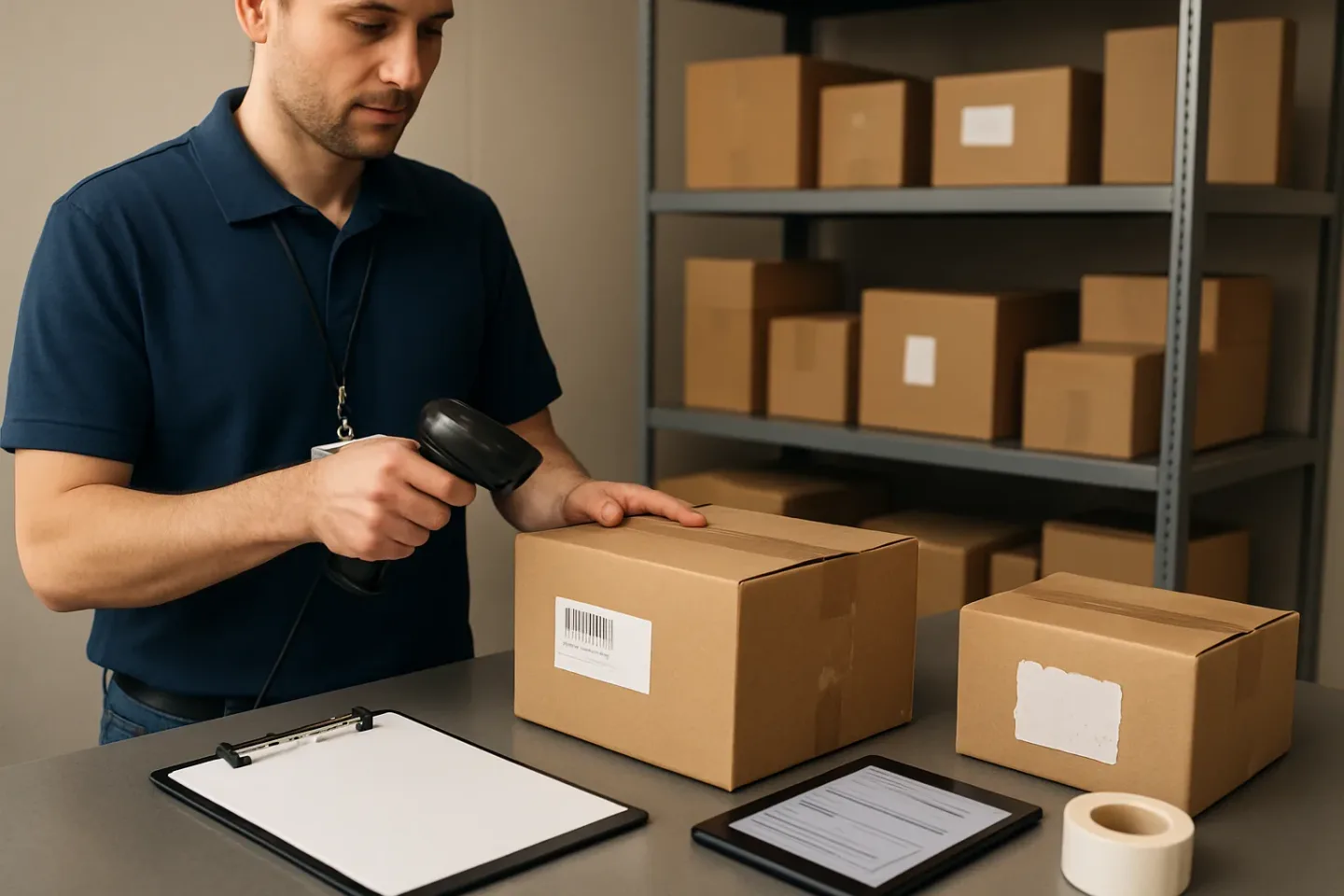
The “No-Scan” Problem: A Practical Workflow for Package Intake Without a Tracking Number
Mixed-carrier buildings increasingly receive “no-scan” deliveries—items with missing, damaged, or untrackable labels. This guide treats them as a distinct delivery class, defines a minimal data schema for consi
Read article ↗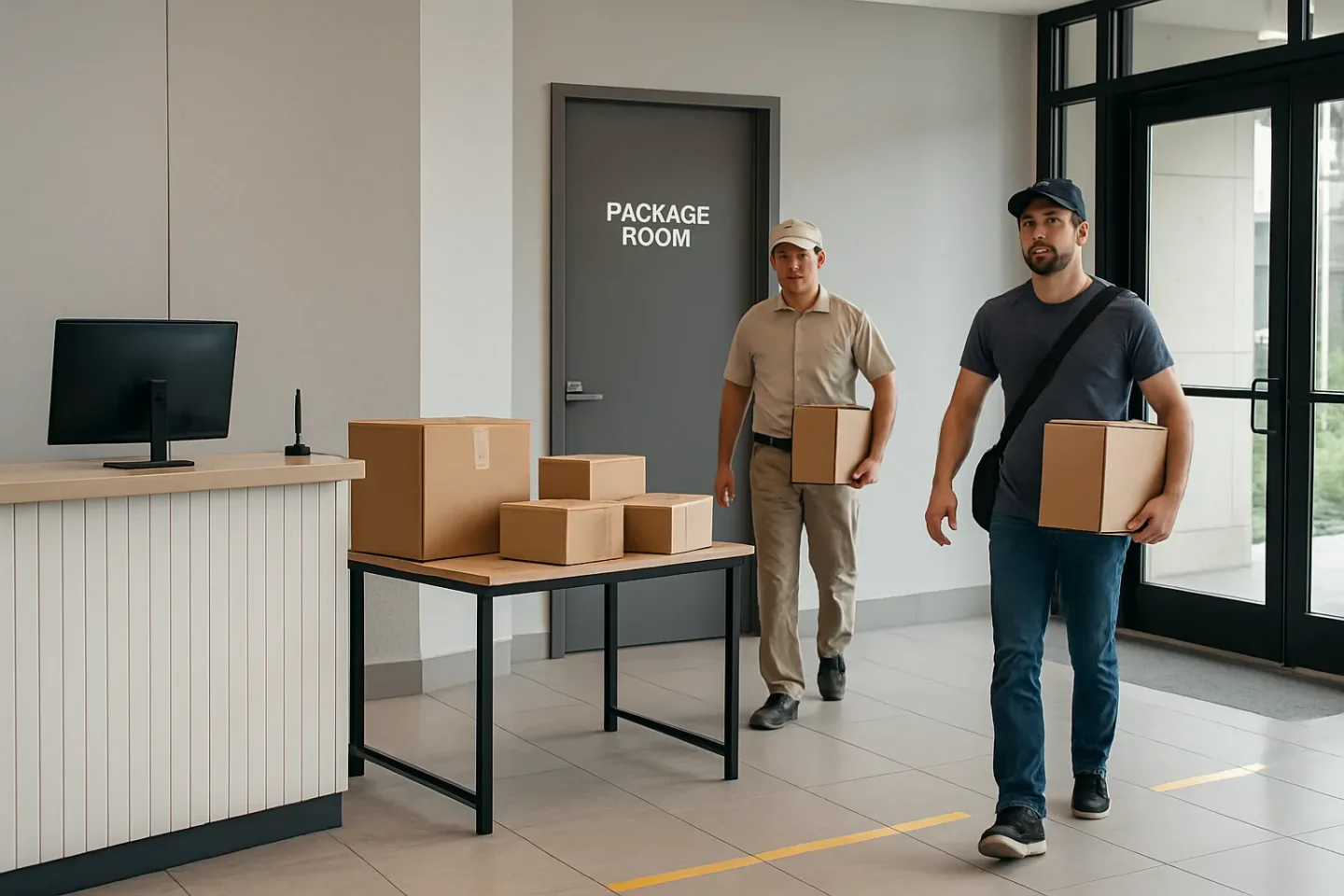
Misdelivery Heatmaps: A 2-Week Method to Identify Which Carriers, Times, and Doors Cause Errors (and Fix Them Without Confrontation)
A practical 14-day heatmap method to pinpoint where package room misdeliveries start—by arrival time window, entry point, and carrier type—then fix the root causes with layout cues, door routing, intake windows
Read article ↗