
THE TRACKNEST BLOG
Better days
at the front desk.
Practical ideas for package management, smoother handoffs, and the people who keep buildings moving.
Ideas you can put to work.
Page 2 of 11

The Package Exception Playbook for Residential Buildings: A Staff-First SOP for “No Label Scan,” “No Unit Match,” Overflow Days, and Disputed Pickups
A practical, staff-first runbook for high-volume lobbies: exactly what to do in the moment when package intake goes wrong, what to record, what to escalate, and which metrics prove your exception process is working.
Read article ↗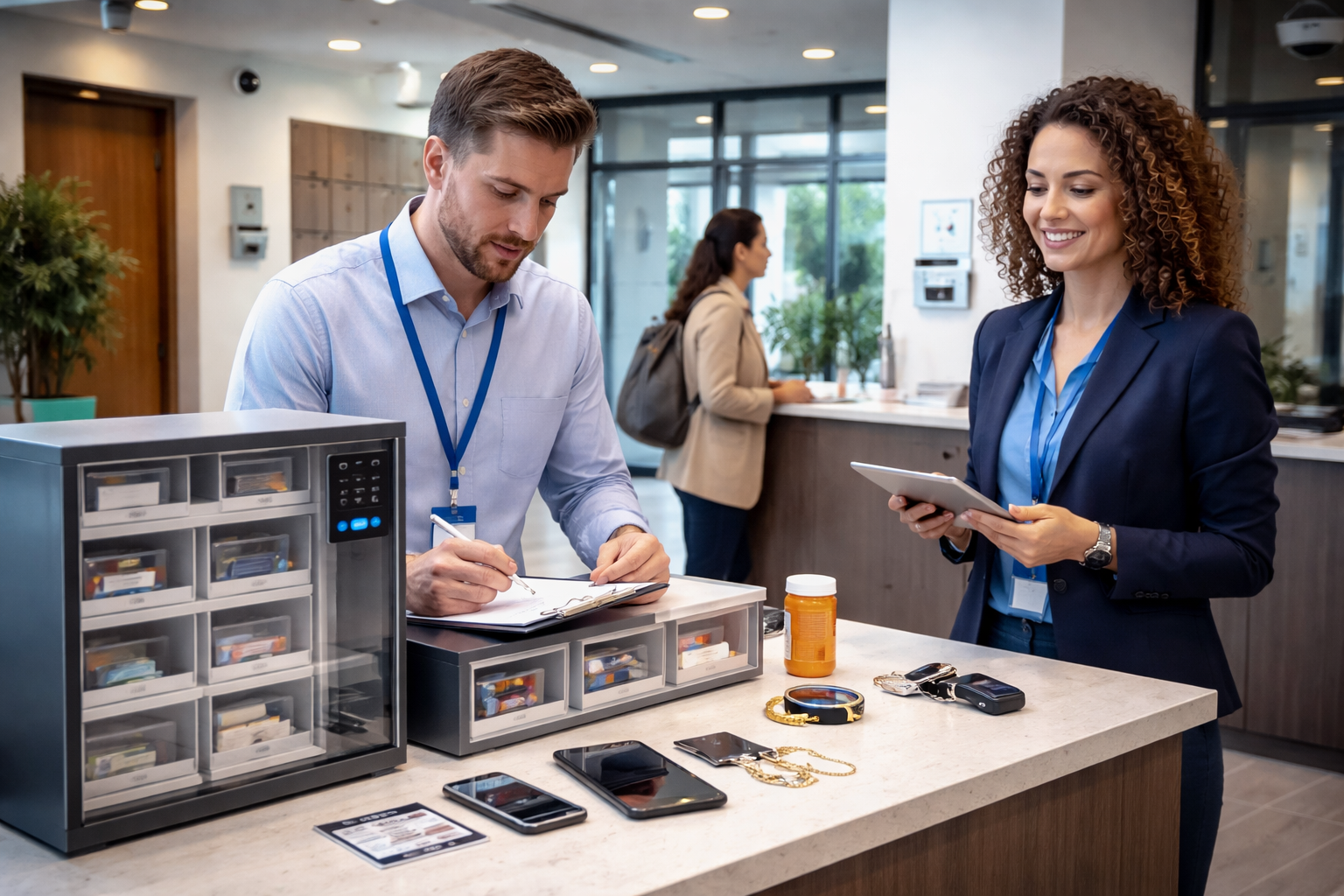
Lost-and-Found for Multifamily & Condo Lobbies: A Chain-of-Custody Workflow for IDs, Keys, Medication, and Valuables
A defensible lost-and-found SOP for residential lobbies: secure intake, sensitive-item rules, storage mapping, unit-based claim verification, release logging, conflict handling, and disposal—built for multi-shift teams and resident self-serve claims.
Read article ↗
The Physical Handoffs Ledger for Building Ops: Standardize Packages, Keys, and Visitor Deliveries Into One Auditable Record (30-Day NYC Rollout Plan)
A practical operating standard for a single “handoff ledger” that tracks chain-of-custody across packages, keys, and front-desk deliveries—complete with a status taxonomy, evidence rules, retention guidance, audit questions, and a 30-day rollout plan for a multi-building NYC portfolio.
Read article ↗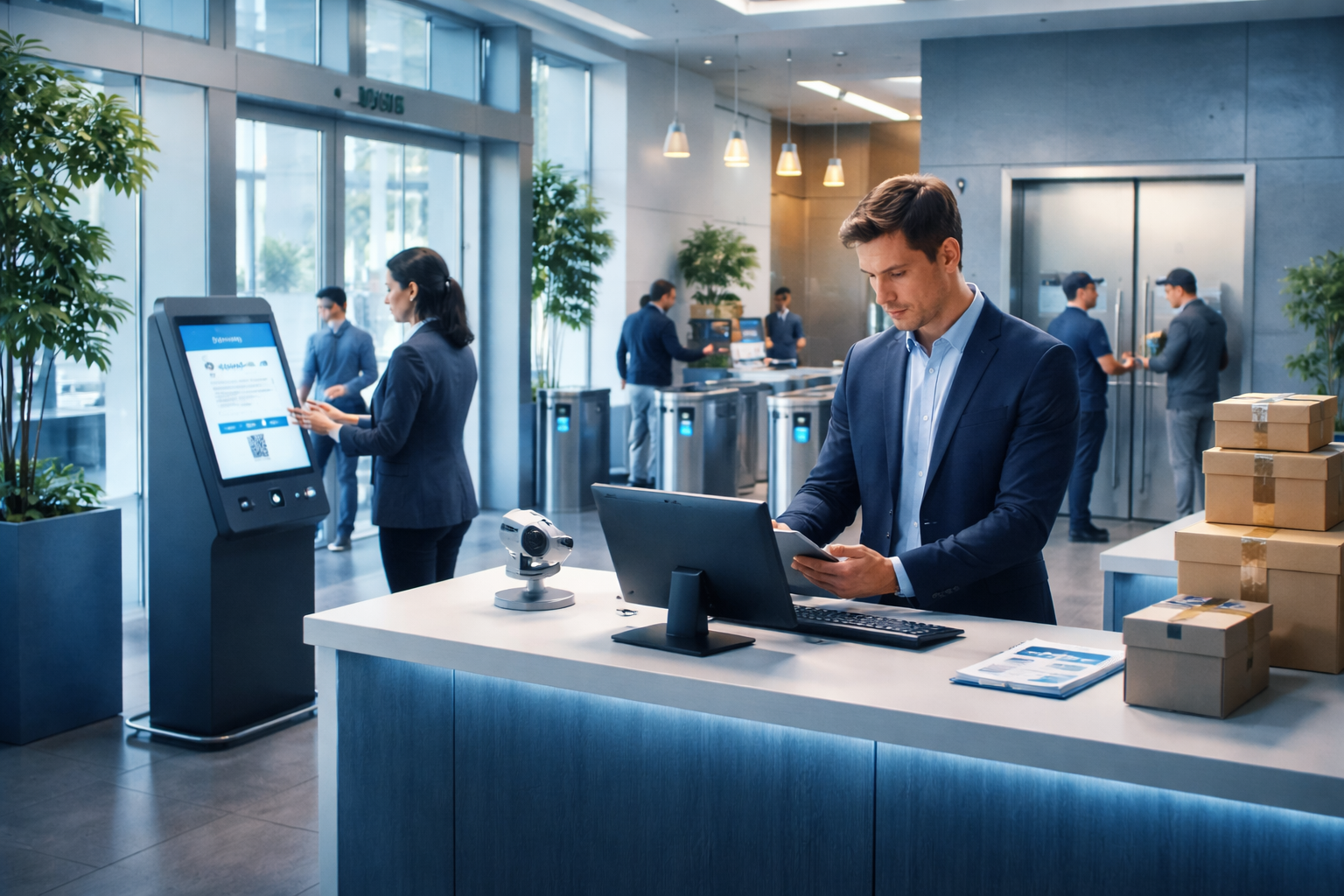
Designing a Thin-Staffed Front Desk: A Decision Framework for Self-Serve Check-In, After-Hours Deliveries, and “Desk Busy” Policies (NYC Lobby Constraints Included)
A front-desk operating model for high-traffic buildings: how to set triage rules for visitors, vendors, and deliveries when staffing is thin—plus how to prevent the common failure mode where staff bypass the system under pressure.
Read article ↗
From Paper Log to Digital Mailroom in an Occupied Building: A 14-Day Cutover Plan
A field-ready rollout runbook for switching from a paper package log to a digital mailroom in an occupied building—starting with shelf mapping and labeling, then minimum intake data, rush-proof pickup verification, and resident communications that reduce “where is it?” tickets in the first two weeks.
Read article ↗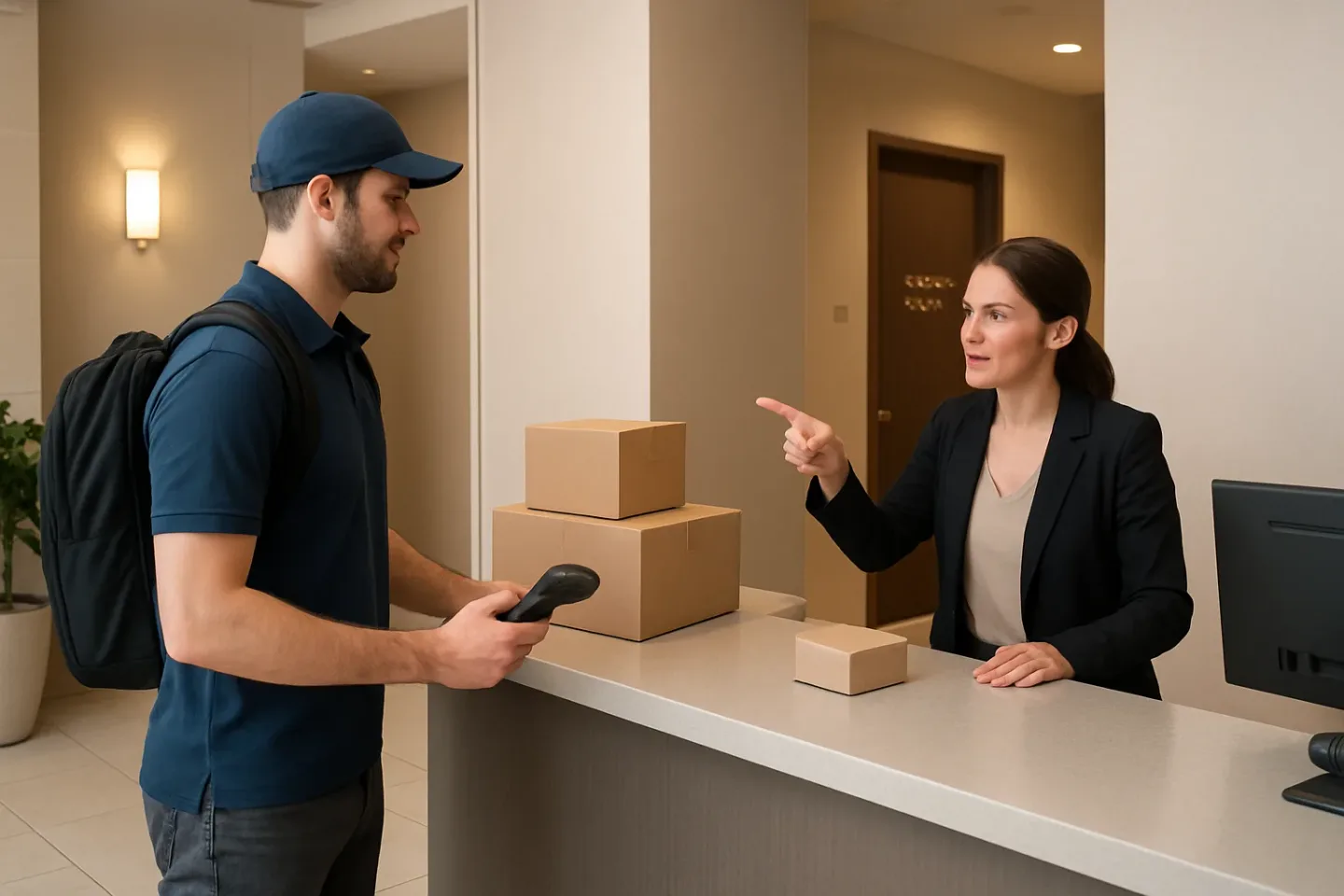
From Delivered to Received: A Building-Level Package Receiving SLA That Ends Carrier Blame Loops
A practical, building-level SLA template that separates carrier delivery from building acceptance—using measurable acceptance moments, receiving timestamps, and chain-of-custody rules to reduce disputes and res
Read article ↗
The Unlabeled Lobby Drop Playbook: A Strict Triage Ladder for Packages With No Unit, No Name Match, or Only a Phone Number
When a carrier leaves a package with no unit number, no matching name, or only a phone number, staff need a repeatable, privacy-safe decision tree. This playbook lays out a strict triage ladder—what you may ver
Read article ↗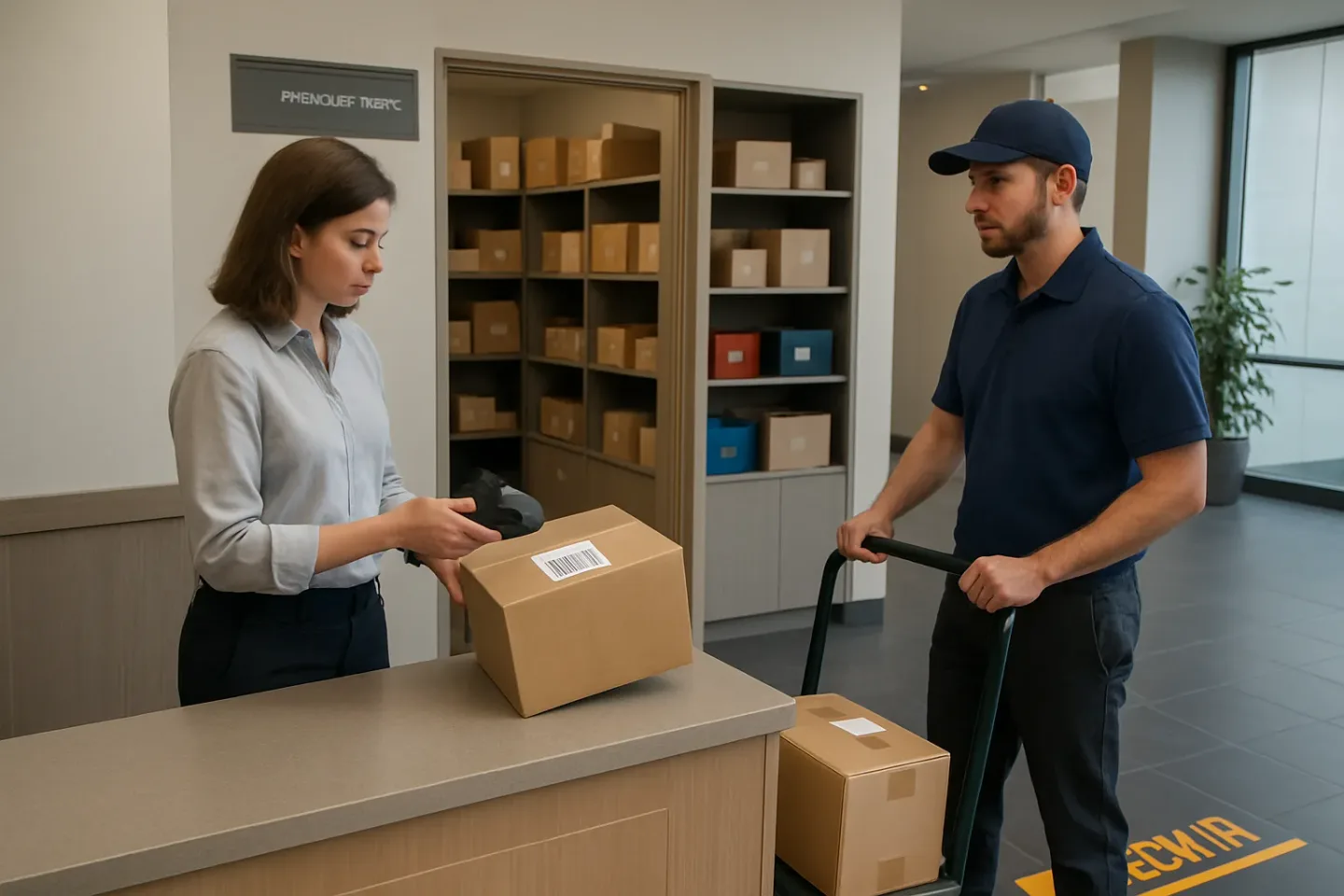
Package Room Staffing Math: Convert Daily Volume Into Minutes, Headcount, and Service Targets
A simple, repeatable package room staffing model: measure three cycle times in one week, convert daily volume into minutes and headcount, and set service targets you can defend in budgeting conversations.
Read article ↗
Multi-Carrier Label Chaos: A Future-Proof Package Room Location Naming Convention That Survives Turnover, Renovations, and Overflow
Stop ad hoc shelf renaming from breaking retrieval. Use a Zone–Aisle–Bay–Level schema plus overflow and renumbering rules that keep mailroom location codes consistent through turnover and layout changes.
Read article ↗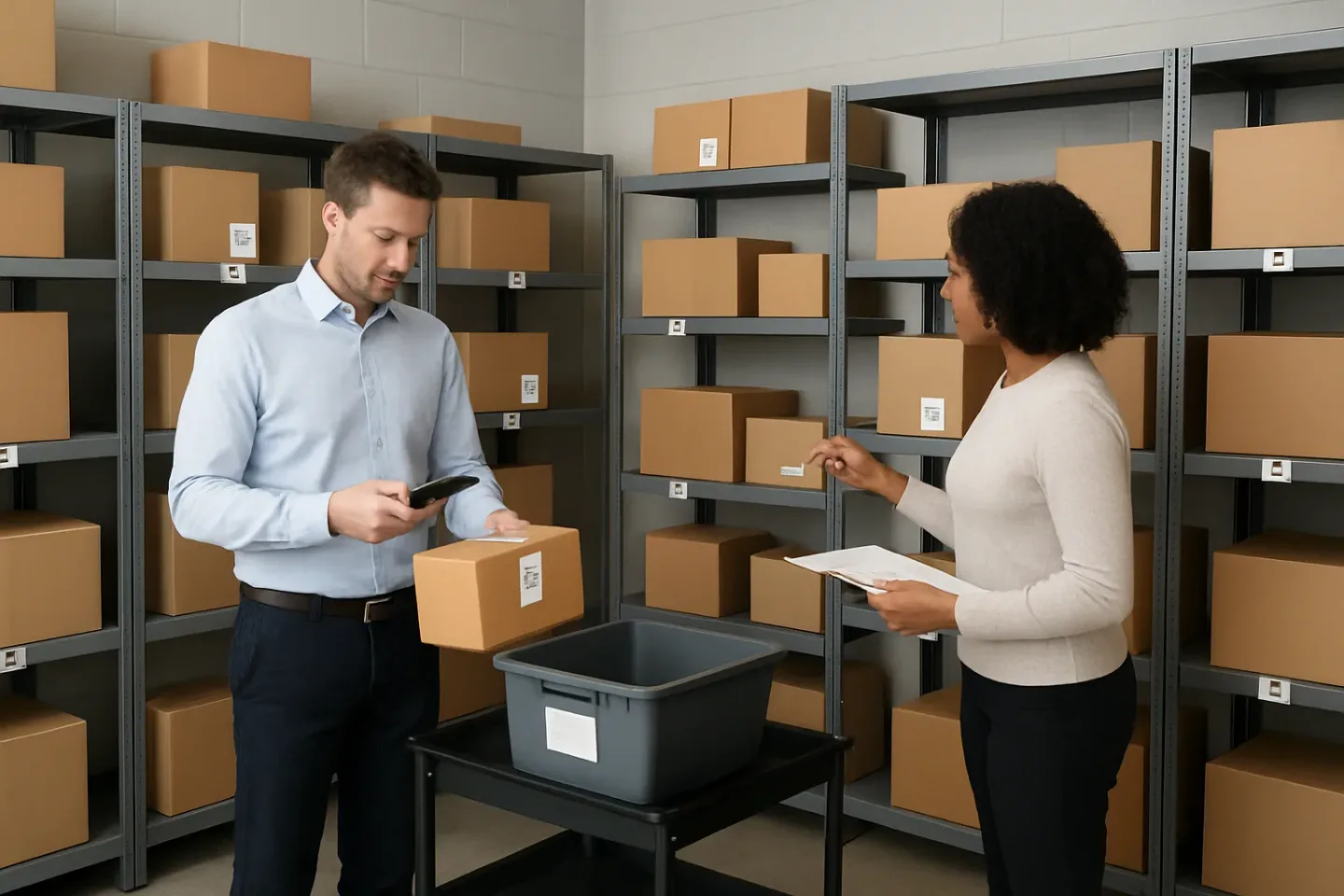
‘Shadow Inventory’ in the Mailroom: A Weekly Package Room Reconciliation Routine That Finds Misplaced Deliveries
A lightweight, weekly package room reconciliation routine that treats the mailroom like a mini-warehouse: quick zone cycle counts plus exception tags to uncover shadow inventory and prevent missing-package inci
Read article ↗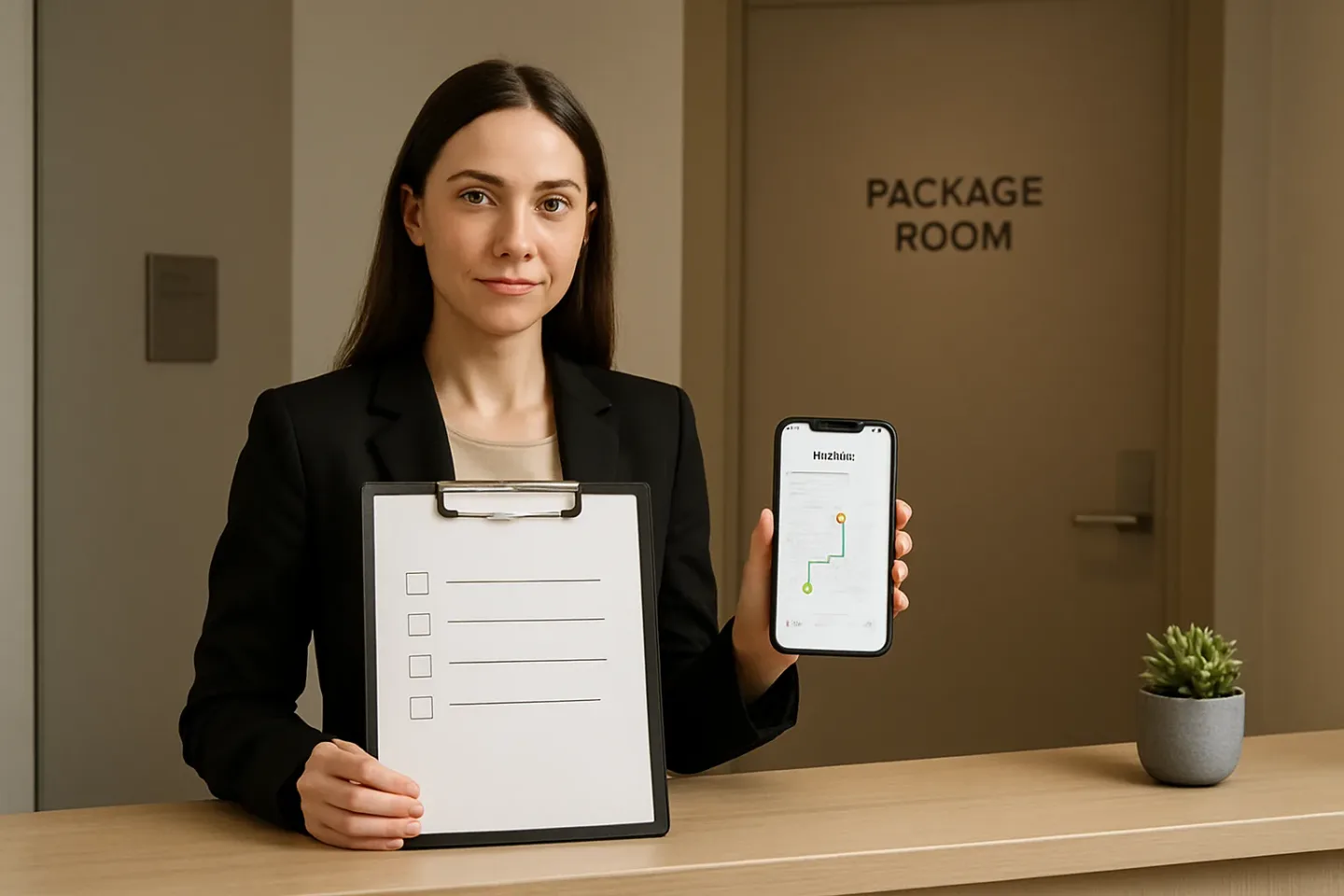
What to Do When a Resident ‘Pre-Claims’ a Missing Package: A 10-Minute Intake Interview That Prevents Days of Back-and-Forth
A step-by-step, 10-minute intake script and one-page form to capture the facts (scan, address, delivery photo, door/time, name/unit variants) before emotions take over—improving first-contact resolution and red
Read article ↗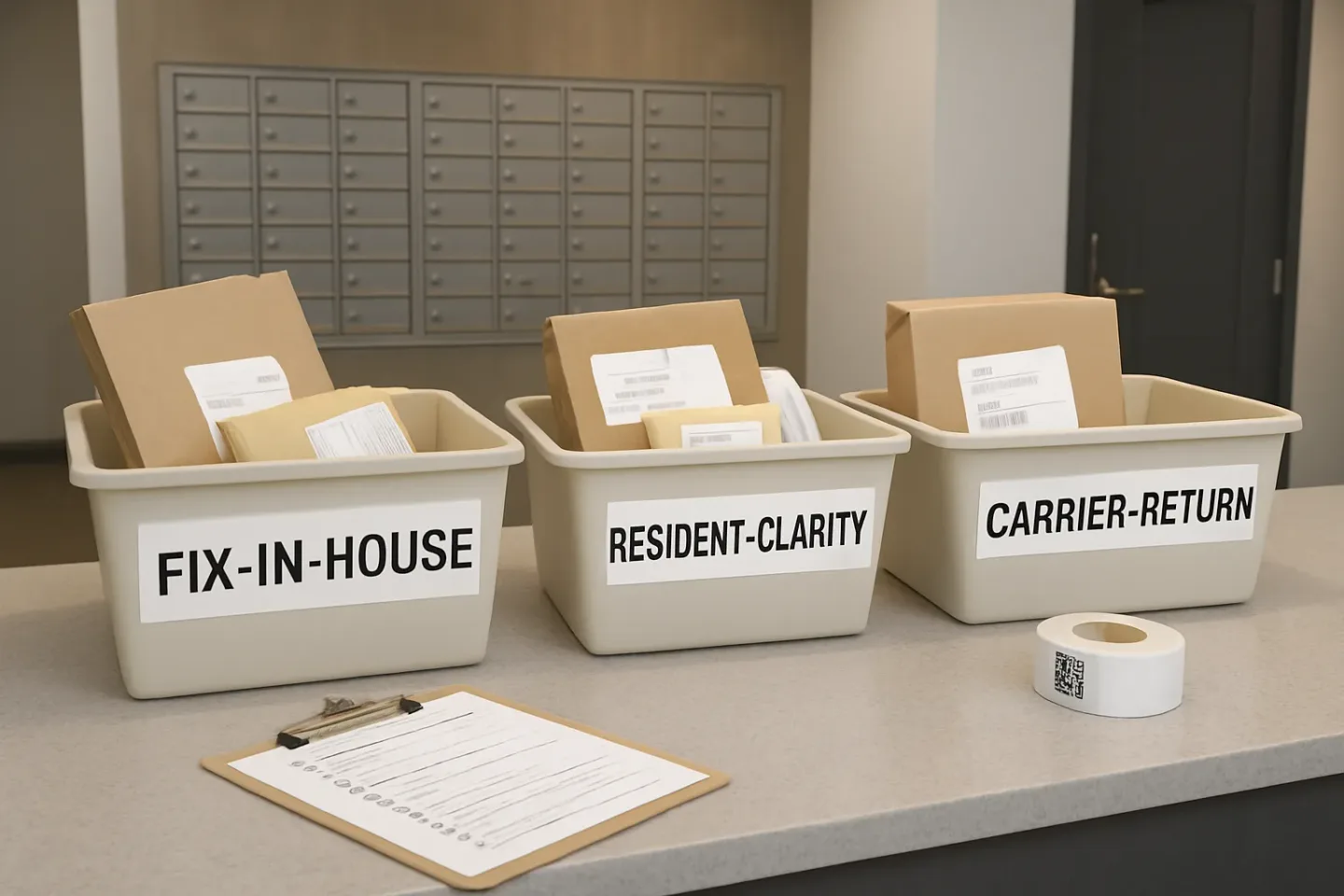
Dead-Letter Packages in Apartments: A 3-Label Triage SOP for Missing Unit Numbers, Nicknames, and Conflicting Addresses
A fast, defensible front desk SOP that routes every bad label into one of three buckets—Fix-in-house, Resident-clarify, or Carrier-return—using clear time limits, scripts, and logging so dead-letter packages do
Read article ↗