
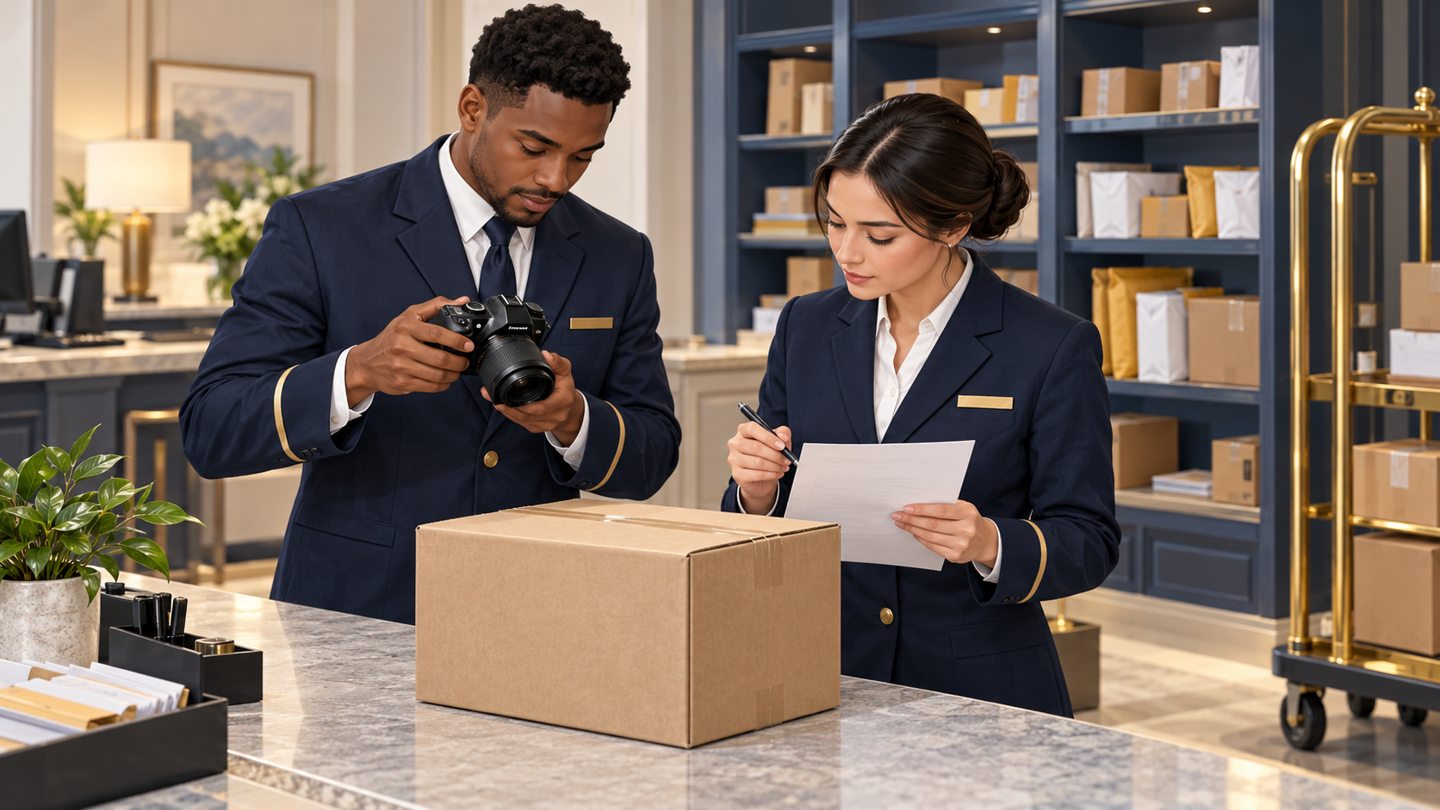
A photo of a dented carton can support a description of its exterior. It usually cannot establish who caused the dent, when it happened, whether the contents are damaged, or whether a carrier will accept a claim. A useful front-desk record makes those limits visible.
This guidance covers ordinary closed parcels that staff can safely observe. If a parcel presents an unusual safety concern, stop ordinary handling and follow the property’s established response procedure. Do not open, test or move a potentially unsafe item for a better photograph.
Record the first observation you can actually support
Distinguish delivery time, logging time and observation time when they are different. If the evening colleague notices a crease on a parcel received earlier, write that sequence. Do not backdate the observation to the carrier arrival simply because both events concern the same package.
Identify the observer and the package record using the approved system. If the earlier condition was not documented, say it was not documented. An absence of an earlier photo does not prove that the parcel was previously intact.
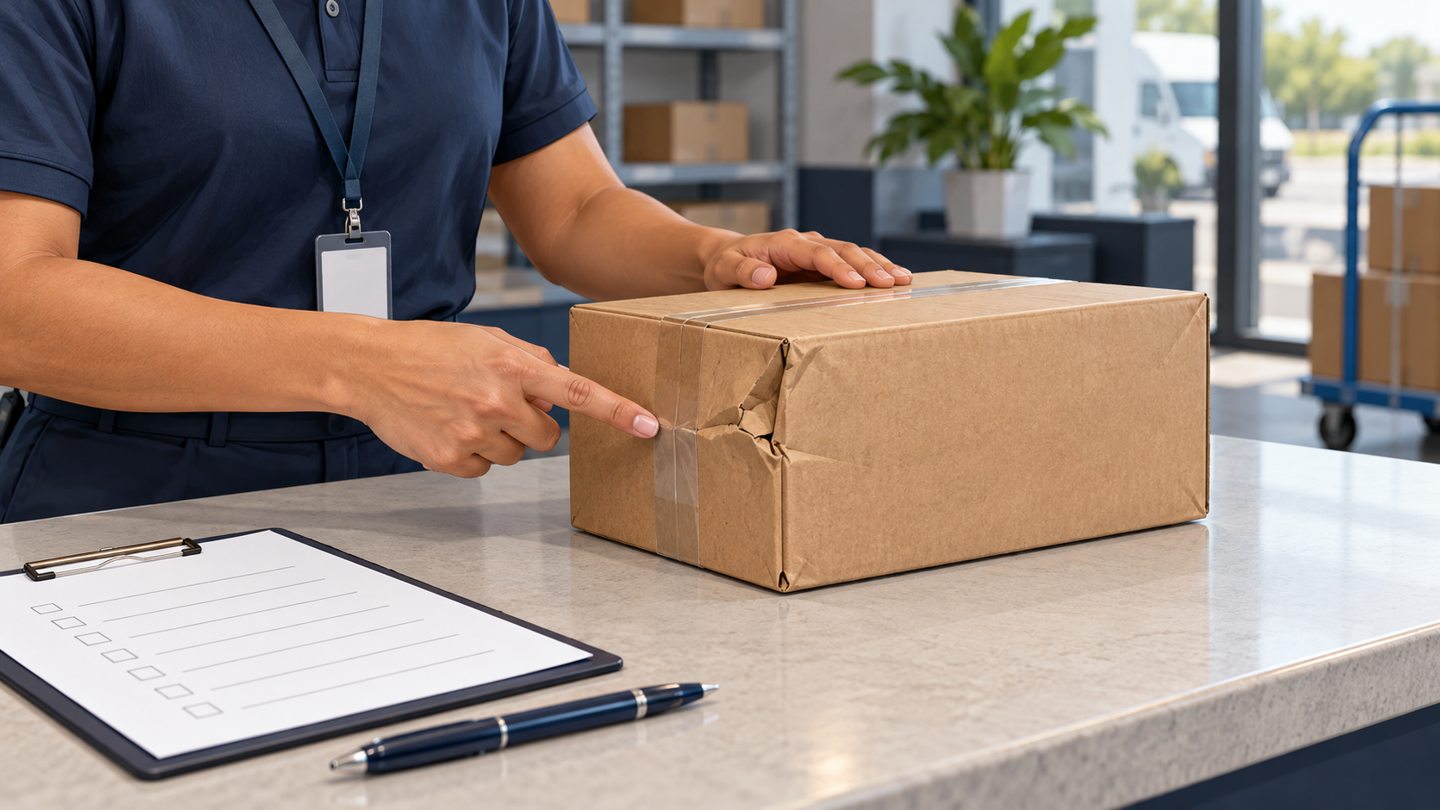
Describe location, appearance and extent
Use ordinary visible facts: which side or corner, the shape of the visible mark, whether the external tape appears separated, and what portion was visible from the normal observation position. Avoid diagnoses such as “water damage inside” when only an exterior discoloration is visible.
A useful note can be short: “At the intake counter, observed a crease on the upper corner nearest the shipping label; exterior photographed; contents not inspected.” Do not add a measurement unless someone actually made it safely and the number is needed.
Connect a detail view to its context
A close-up can show a mark but lose the identity of the parcel. Where photography is authorized, keep enough context to connect a detail image with the relevant exterior view and record. Avoid a sequence of anonymous close-ups that could belong to any box.
Check the saved files before ending the intake. A good image of the wrong carton is a record-association failure, not useful condition evidence. Follow the wrong-photo correction workflow if the association is uncertain.
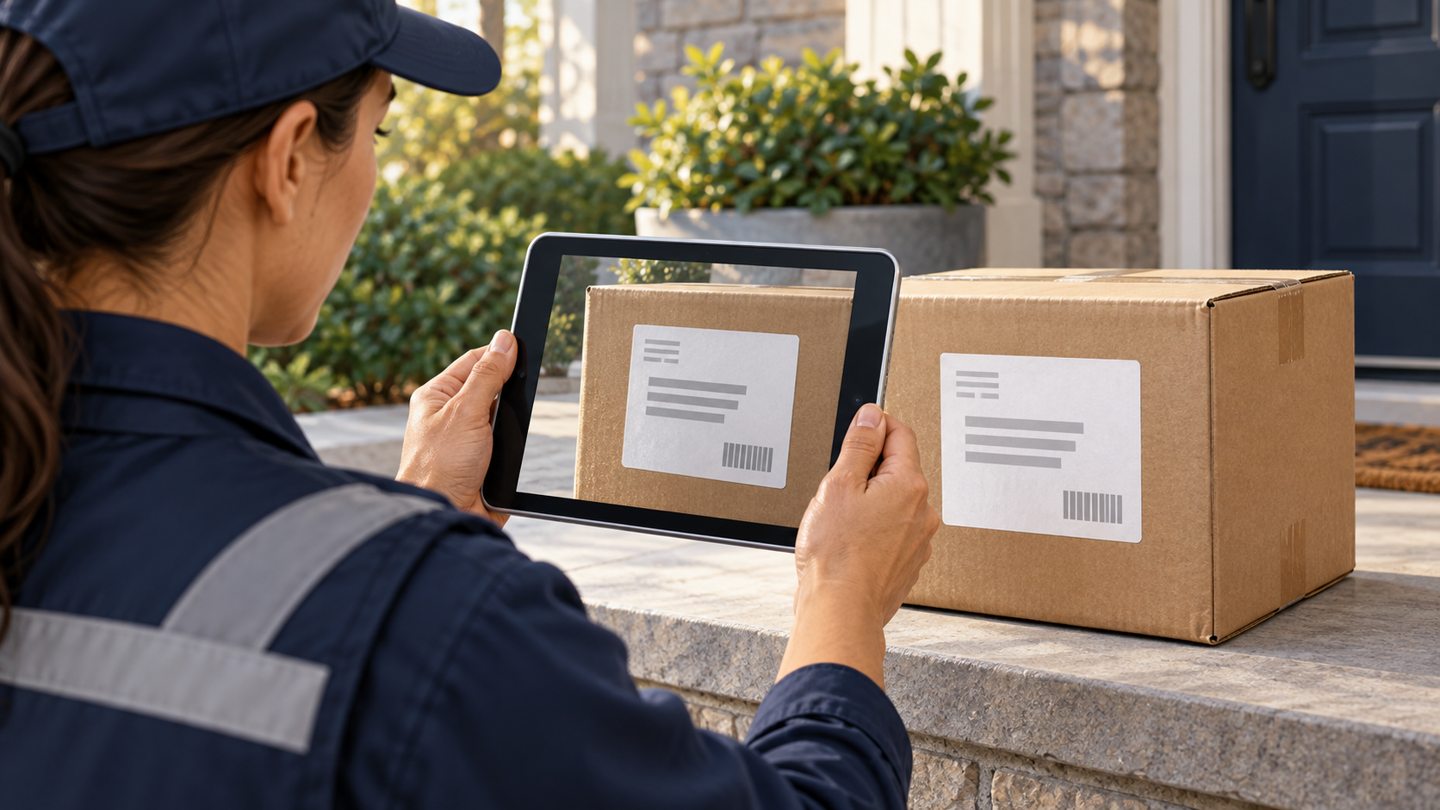
Do not reconstruct a better-looking event
If a photo is taken later, identify it as later. Do not place a parcel beside a carrier’s vehicle after the handoff to imply that the picture was taken at receipt. Do not remove packaging, tape over a mark or arrange an item to exaggerate the concern for the image.
Keep reported information separate from staff observation. “Resident reported an item inside is broken” and “staff observed a dent on the exterior” can both be recorded without treating them as the same firsthand fact.
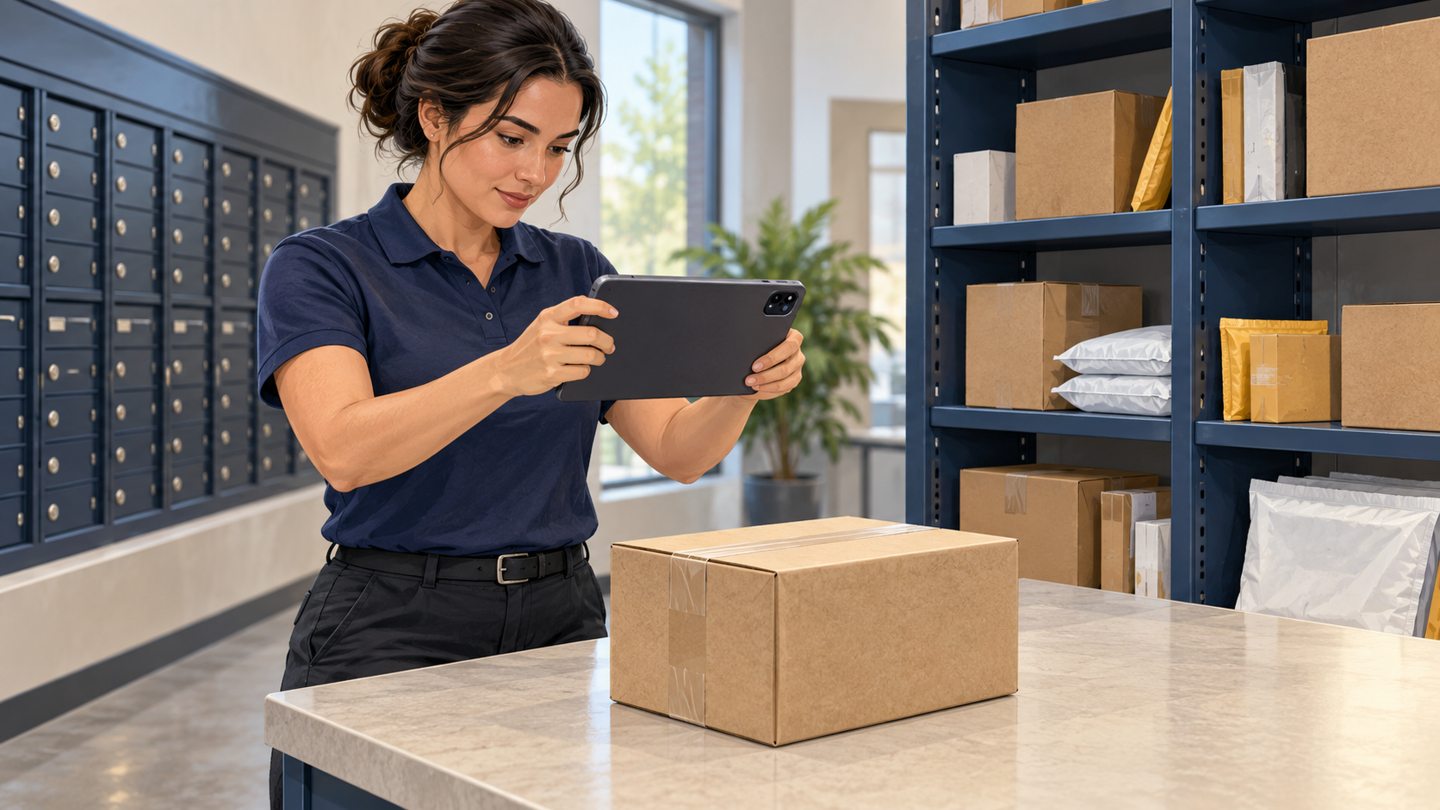
Keep carrier claims separate from desk documentation
UPS’s supporting-document guidance describes photo documentation for its damage-claim process, including views beyond an ordinary front-desk exterior record. That does not authorize desk staff to open a resident’s parcel or promise that their photograph satisfies a claim.
FedEx’s claims page distinguishes recipient, shipper and carrier roles. Direct claim questions to the appropriate party and current carrier instructions. The desk can explain what it observed and what authorized records are available, without deciding liability.
Hypothetical handoff
A resident asks, “Can you confirm the driver broke it?” Staff can respond: “Our intake record describes the visible exterior condition when we checked it. We did not inspect the contents or determine the cause.” The supervisor then reviews any authorized request for a copy rather than forwarding an entire package record.
Condition-note checklist
- Correct package and saved images confirmed.
- Observation time distinguished from arrival time.
- Visible exterior described neutrally.
- Unseen contents and unknown cause identified as limits.
- Reported statements attributed to their source.
- Next action and responsible person recorded.
Use the main photo-quality guide to connect these notes with intake review, and the exact-file release checklist before providing images to an authorized recipient.
Source and scope
Primary references: UPS supporting documents and FedEx claims. Carrier procedures concern their own claims, not a universal property-management evidence standard.
Reviewed October 24, 2026. The workflow above is original operational guidance, not a carrier requirement, legal opinion or guarantee. Confirm your property’s approved procedures and the functions available in your current software.
Request a TrackNest demonstration to discuss your package workflow. Confirm how your team would capture, review and correct records before relying on any particular attachment or export behavior.