

“I lost the luggage ticket” should trigger a clear exception process, not a debate at the counter. A legitimate guest may be tired, late for a train or embarrassed. Staff still need a defensible connection between the claimant, the accepted storage set and the bags being released.
This guide covers luggage the hotel intentionally accepted and recorded. It is one exception path within the hotel luggage-storage workflow. No single document or description in this article is a universal legal test of ownership; the property’s approved verification and escalation policy controls.
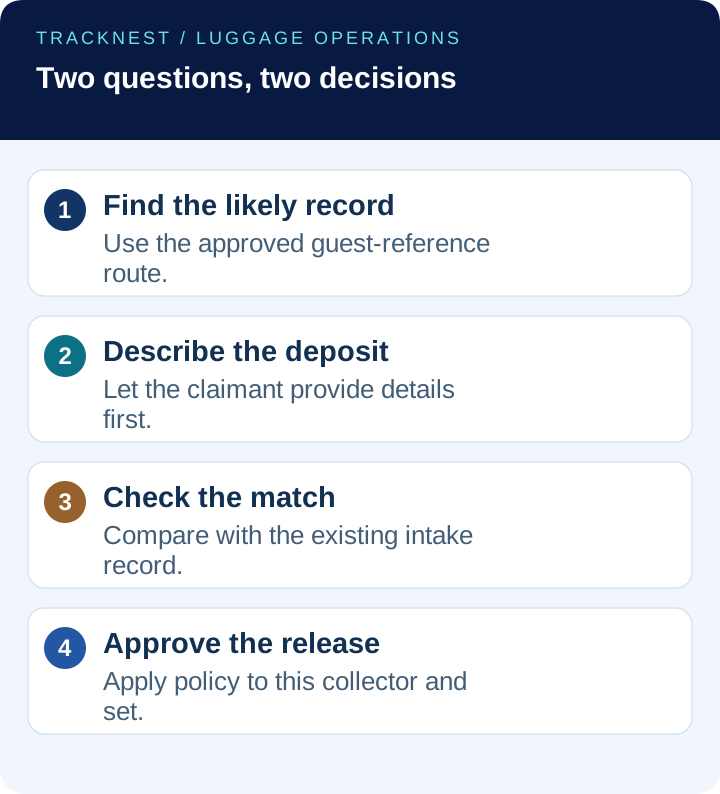
Separate “find the record” from “approve the release”
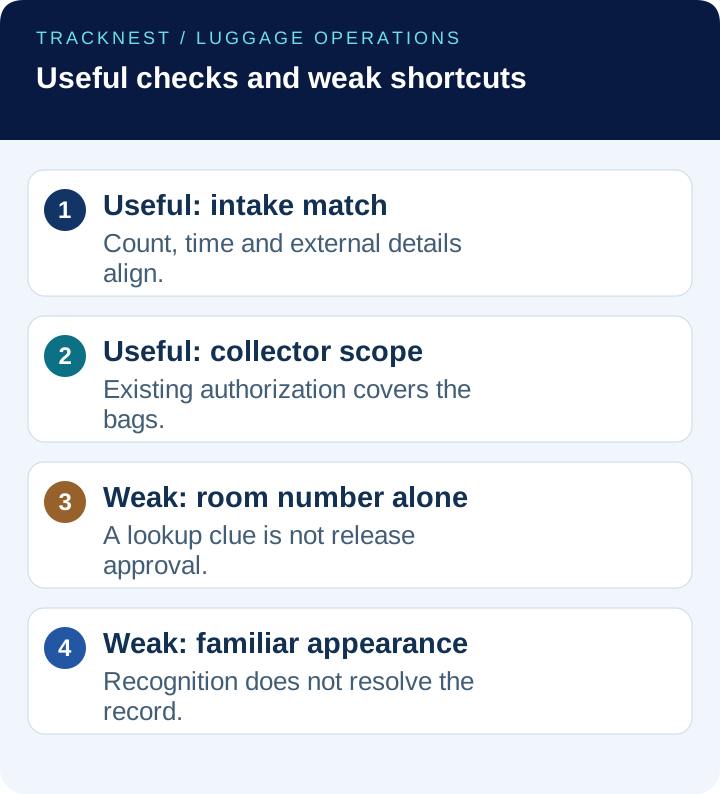
A name or room reference can help locate a likely deposit. That does not automatically authorize release of every bag linked to it. Start by identifying the existing storage record through the property’s approved process, then establish the scope of the current collection request.
Ask when the bags were deposited, how many pieces were accepted and what external features distinguish them. Let the claimant supply information before staff reveal it. A question such as “Tell me about the bags you left” is more useful than “Was it the green suitcase with a yellow strap?” The second question gives away the answer.
Keep the interaction discreet. Move to an appropriate part of the counter where possible, and avoid reading out a full list of guest names, phone numbers or storage descriptions. A screen full of open records should remain staff-facing.
Use information already collected for the purpose
Compare the claimant’s account with the intake time, accepted count, external description, collection plan and recorded collector authorization. A combination of consistent details may be more useful than repeatedly asking for an identity document that is not connected to the original deposit.
If property policy requires an identity check, follow that procedure and keep collection proportional. Do not routinely copy passports, record full document numbers or keep a photo “just in case.” Record the verification method and outcome that the authorized process requires. Identity evidence may help establish who a person is; it does not by itself prove that a particular suitcase belongs to them.
Do not ask the claimant to unlock a device or reveal private contents as an improvised challenge. Do not open bags to search for identifying paperwork. A weak intake record is a reason for review, not permission to gather more intrusive information by improvisation.
Escalate contradictions rather than explain them away
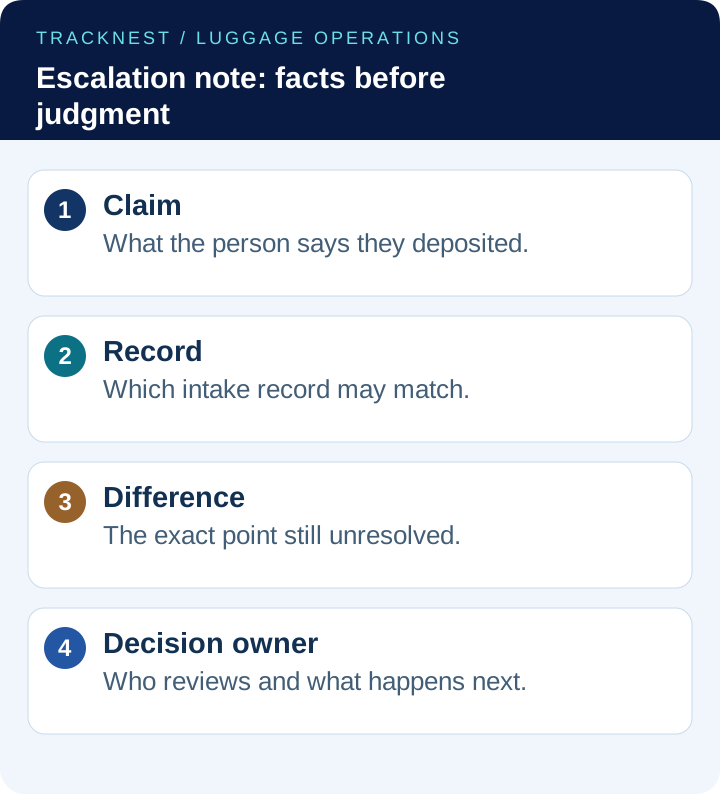
Pause when the guest’s count differs from the open record, a distinctive detail does not match, the record shows a previous partial release or another person is named for collection. A hurried claimant may have an innocent explanation, but staff should not erase the mismatch merely to keep the queue moving.
Give a designated supervisor the facts, not a conclusion about honesty. State the claimed deposit, the record found, the matching details and the unresolved difference. Record who will make the decision and what the guest has been told. If there is an immediate safety concern, follow the property’s safety process instead of continuing a routine claim interview.
A workable desk script is: “I’ve located a possible record, but the remaining bag count does not match yet. I’m asking the person responsible for release decisions to check it with us.” This describes the next step without accusing the guest or promising a release that has not been approved.
Document an approved release at bag level
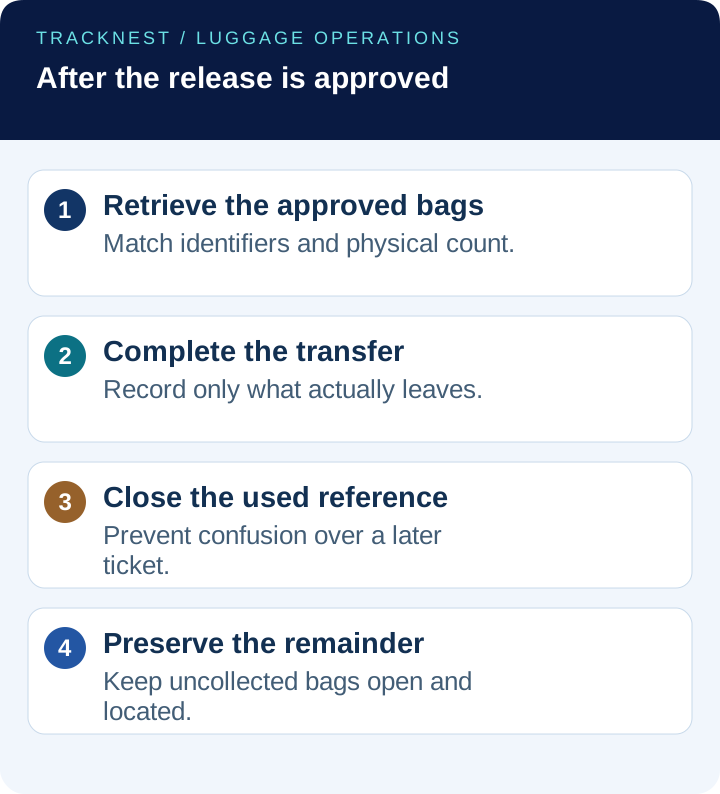
Once the appropriate person approves collection, retrieve only the identified bags. Compare tags and the selected count at the counter before handoff. Record the exception method, decision maker where required, release time, staff member and exact bag IDs transferred. Keep the description factual: “missing ticket; approved under policy by supervisor” is more useful than a story about the guest’s mood.
Handle the missing original ticket under property policy so a later presentation of it does not appear to authorize a second collection. The system may record that the set has been released; a paper process may flag the original claim reference as no longer open. Do not assume every tool can automatically revoke a token or detect duplicate pickup.
If only part of the set is collected, leave the remaining bags open and clarify the claim method for that remainder. See the partial-pickup record for the relationship between release events and the remaining balance.
Use the exception to improve intake
A missing-ticket case can expose a form that never captured bag count or a process that confused the depositor with the collector. Review the smallest gap that made the decision difficult. The intake and tagging checklist explains what to establish while the guest is still at the desk.
Train with an invented scenario where a guest correctly describes one suitcase but requests three. The aim is not to label the person suspicious. It is to practice asking what the record actually supports, escalating respectfully and keeping unverified bags in storage. The same discipline protects a legitimate guest from someone else’s mistaken claim.
Sources and scope
FTC business guidance on protecting personal information supports limiting personal information to a legitimate purpose and protecting retained records. The claim sequence and sample script are operational recommendations. The cited guidance does not mandate a particular ownership test or require copies of identity documents.
Source review: October 15, 2026. The workflow, sample records and decision checks in this article are editorial recommendations for adapting to property policy. They are not a legal opinion, a universal hotel rule or a description of a particular software feature.