

A caller says a phone left in a room is theirs. The front desk can see a case, a crack and a lock screen. The tempting shortcut is to ask for a passcode or open the device to find a name. A better process builds confidence from information the claimant provides independently and information the hotel already holds appropriately.
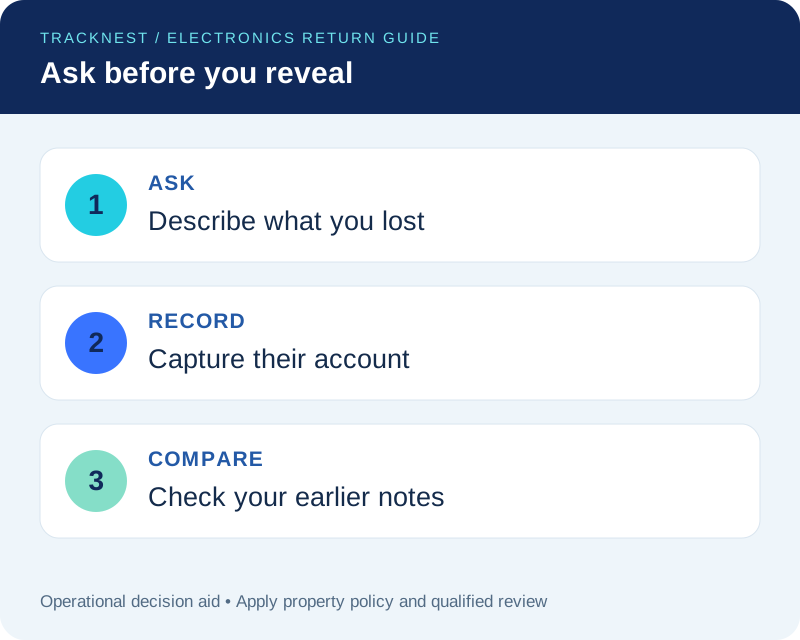
Ask for a description before supplying one
Begin with an open question: “Please describe the item and where you think you left it.” Record the answer before checking the stored description. Follow with neutral questions about model or approximate size, case color, distinctive exterior marks, accompanying objects and the approximate time or location of loss. Do not begin with “Was it the red phone in room 412?” That gives away the facts the interview is supposed to test.
The interview is a property-policy decision aid, not a universal identity standard. A generic description may be accurate yet insufficient. Record what matched, what remained uncertain and who reviewed the claim. Avoid turning every detail into a rigid secret question that a genuine owner must answer perfectly.
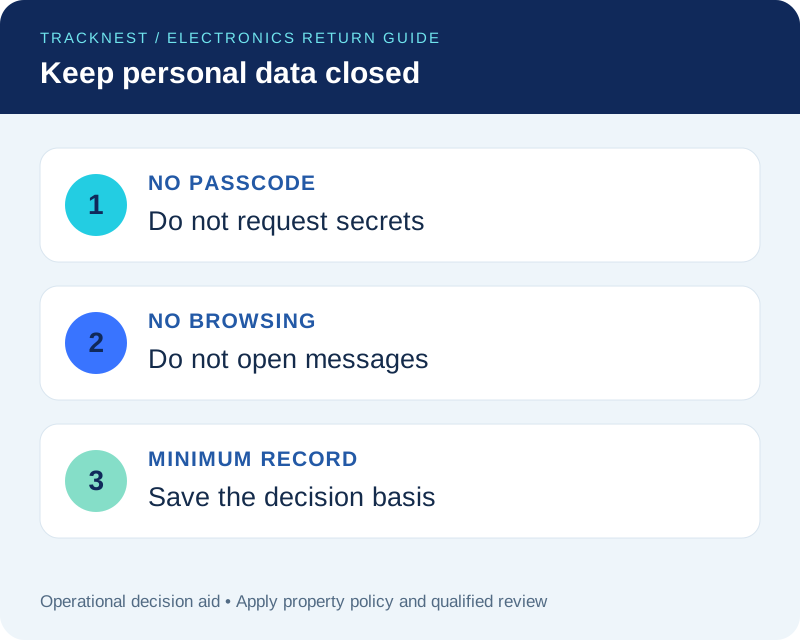
Keep the device closed
Do not request a PIN, account password, recovery code, or biometric access. Do not browse photos, contacts, messages or notifications. A found device may contain information about many people besides its owner. Any exceptional process for dealing with an emergency should follow the hotel's established emergency procedures, not an improvised search through a guest's phone.
The FTC advises businesses to retain only personal information they need, limit access and maintain an appropriate retention policy. Applied here, that supports recording a claim decision and its basis without copying a guest's private device contents. This workflow is an operational application of those principles. FTC guide to protecting personal information.
Use the hotel record carefully
When permitted by hotel policy, compare the loss account with relevant stay or incident information using the hotel's normal verification channels. Do not disclose another guest's stay, room number or personal details to the caller. If the claimant provides a different contact address from an existing record, follow the property's procedure for verifying the change before sending item details or arranging release.
Keep any identity check proportionate to the situation and the hotel's requirements. A request for a complete identity-document image can create a new privacy burden. Staff should use the approved verification method and record that it was completed, rather than inventing additional data collection.
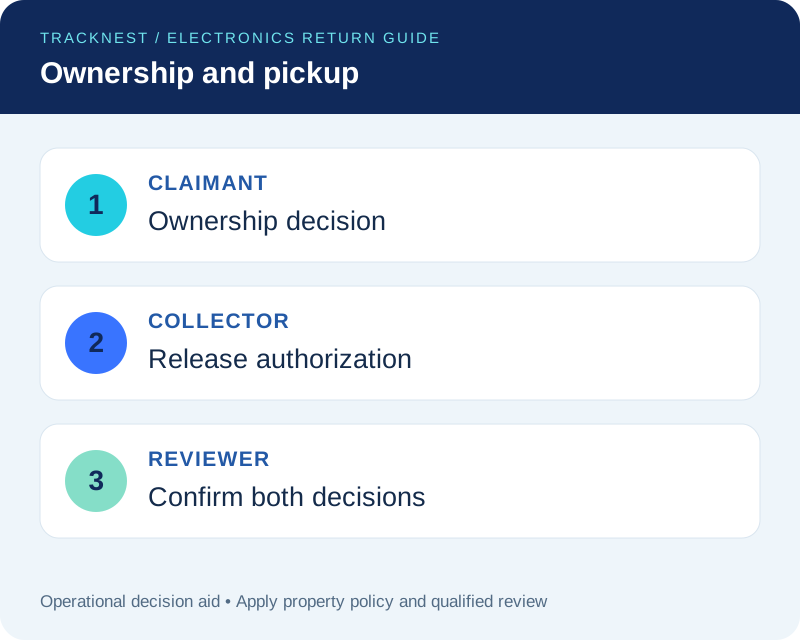
Handle delegated pickup and competing claims explicitly
If a spouse, colleague or courier will collect the phone, ownership approval and collector authorization are separate decisions. Establish the named collector and verification method under hotel policy. A person knowing the guest's name is not, by itself, authorization to collect the device. Record the final release event against the same item reference.
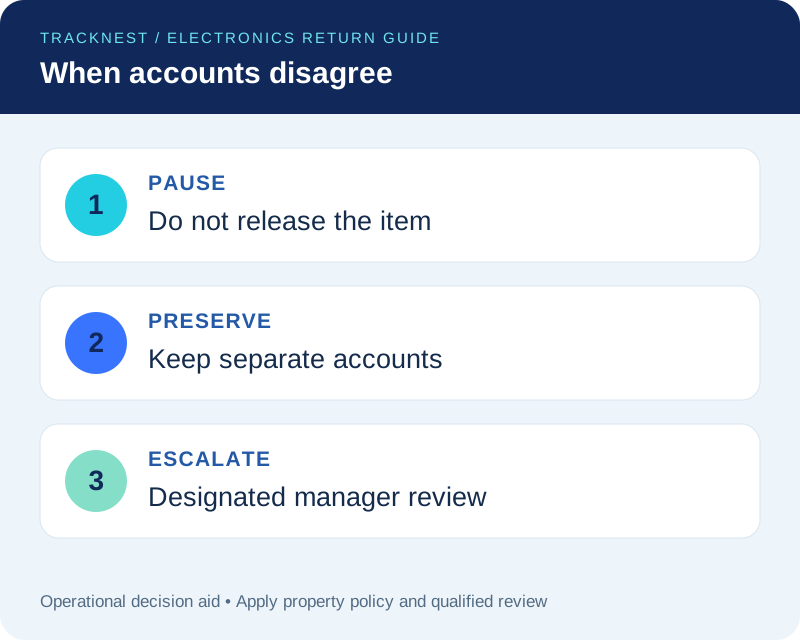
When accounts conflict, stop the release, preserve the original records and ask the designated manager to review the discrepancy. Do not tell one claimant the other person's answers. An unresolved claim is a valid status; pressure to finish the call should not convert uncertainty into approval.
A short record for the next shift
- Item reference and date the claim was received.
- Non-sensitive description supplied before staff disclosed matching details.
- Relevant facts matched and unresolved discrepancies.
- Reviewer, decision time and permitted next action.
- Approved collector or contact method, stored only where access is appropriate.
Once the claim is approved, a shipping request still needs its own review. Ownership verification does not establish that a selected carrier service accepts the device.
Published October 14, 2026. Original TrackNest operational guidance; source guidance checked October 14, 2026. Confirm current requirements for each return.