
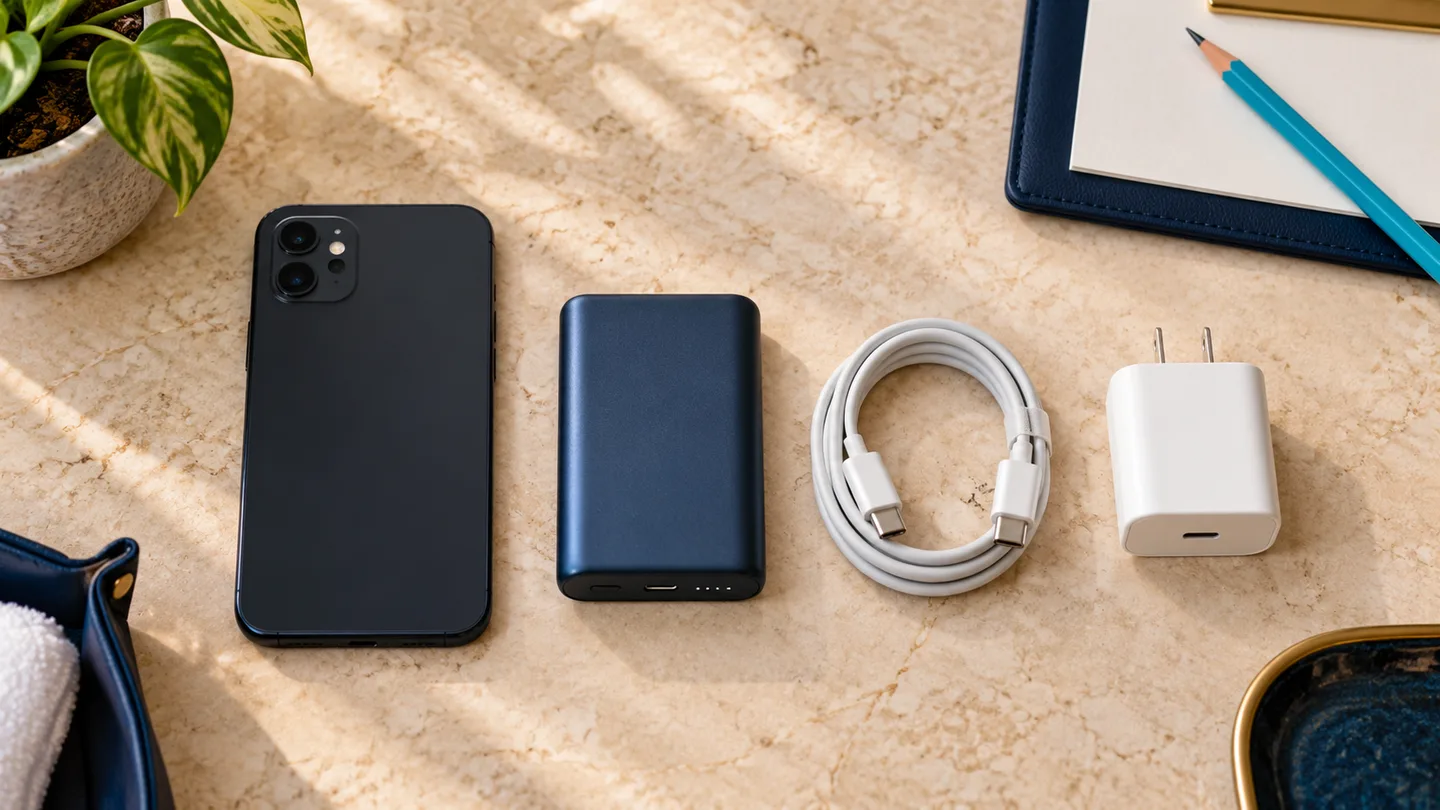
“A charger was left in the room” is too ambiguous for a return-shipping decision. It might mean a cable, a wall adapter, a power bank, a laptop with its adapter, or several objects together. The front desk's job is to capture what is actually present and pass unresolved technical questions to a qualified shipping provider.
Separate the objects before describing the parcel
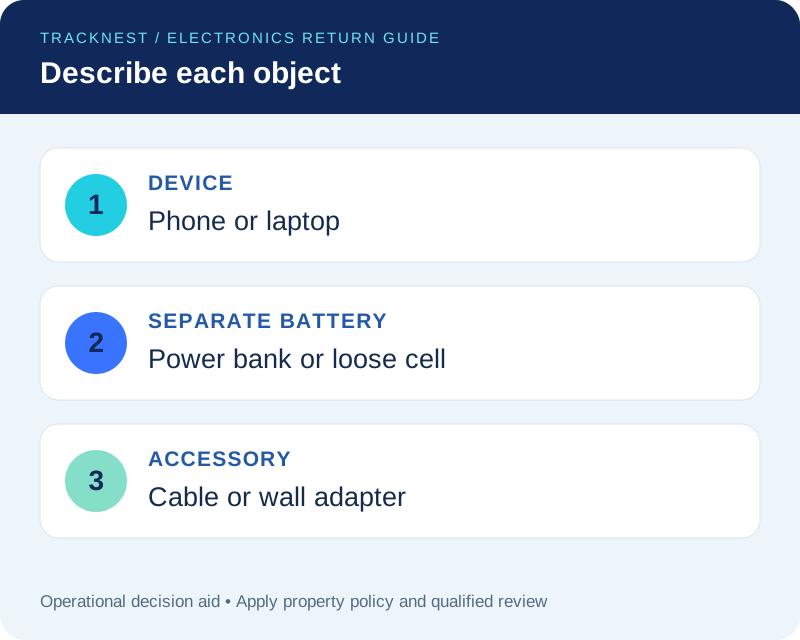
Give each component a clear description in the return record. Distinguish a battery-powered device from a separate power bank or loose battery. Record a cable or wall adapter separately rather than assuming every accessory contains a battery. If the type is unclear, write “unidentified accessory; shipping classification pending.” Do not open equipment or remove a battery to settle the question.
PHMSA's shipping resources explain that lithium-battery transport requirements depend on the shipment. Identifying the actual battery and equipment arrangement is information for the qualified reviewer; it is not a declaration that the parcel is acceptable. PHMSA lithium-battery resources.
Use a factual intake checklist
- What objects are present, and how many?
- What brand or model information is visible without unlocking or dismantling anything?
- Is a battery visibly separate, or is the item a battery-powered device?
- What condition observations or incident reports need qualified review?
- What destination and proposed service has the guest requested?
- Which person or provider will resolve missing technical information?
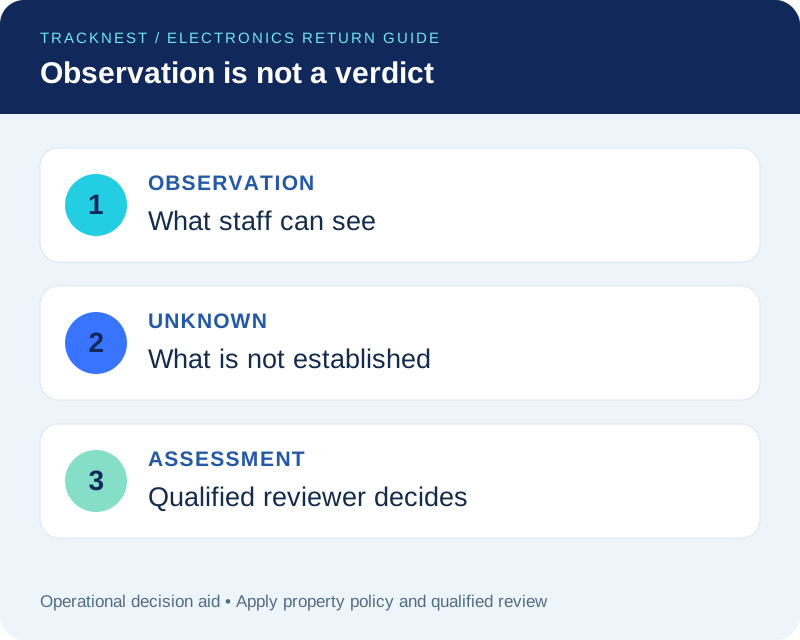
Keep observations separate from conclusions. “Case is visibly deformed” is an observation. “Battery is safe” is a technical conclusion that ordinary intake does not establish. Likewise, an exterior that appears normal is not a guarantee of battery condition. Do not charge, power on or test an unknown item simply to make the record look complete.
Prepare a provider briefing
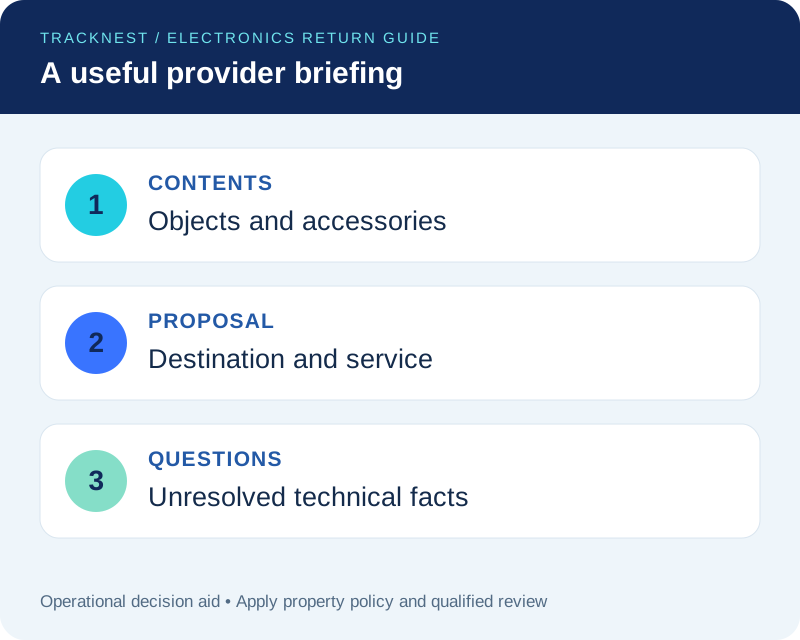
A useful request says: “We hold one used phone and one separate power bank found in a hotel room. These are the visible model details and observations. The guest requests this destination and service. What information do you need to determine whether you can accept this specific shipment?” That invites a decision about the real objects rather than a general answer to “Can you ship electronics?”
If specifications cannot be established, record the missing fact and assign the follow-up to the shipping provider or other qualified reviewer. Do not estimate a battery rating from physical size or copy a rating from a visually similar model found online.
Reopen review when the contents change
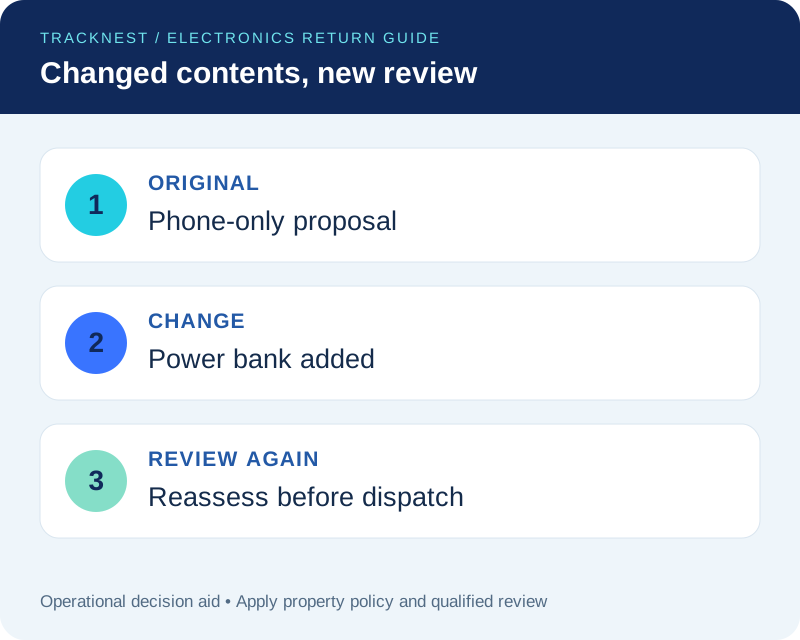
Suppose the provider has assessed a phone-only return. Later, housekeeping finds a power bank that the guest also claims. Adding it changes the shipment described in the original review. Keep the items linked to the same claim if appropriate, but request a new shipping assessment before combining them. The same principle applies when the destination or service changes.
Close the intake, not the shipping decision
The intake is complete when the reviewer has an accurate description and a clear list of unknowns. It does not require front-desk staff to resolve those unknowns themselves. Before a postal return, consult the current USPS restrictions and applicable detailed standards with the responsible provider. USPS restrictions and HAZMAT overview.
Use a status such as “item description ready; carrier review pending.” It protects the next shift from mistaking careful documentation for permission to dispatch.
Published October 14, 2026. Original TrackNest operational guidance; source guidance checked October 14, 2026. Confirm current requirements for each return.