

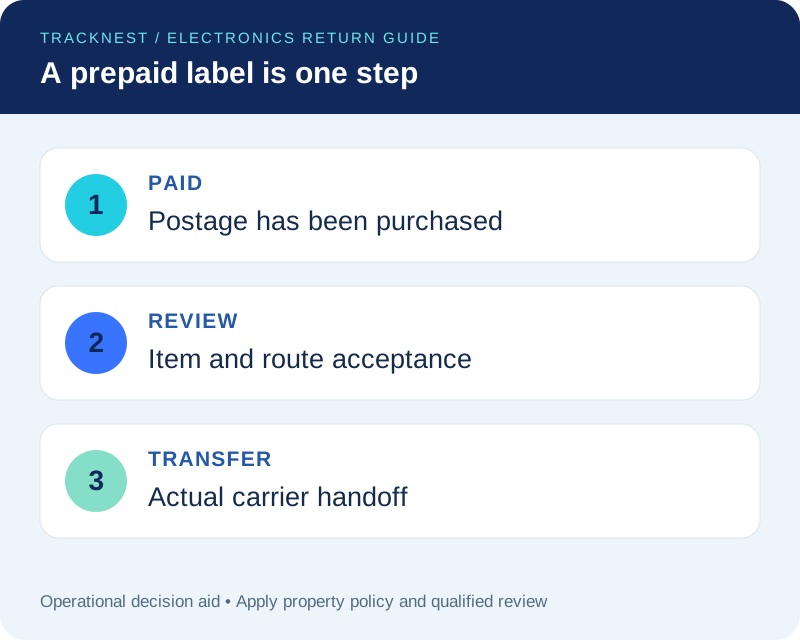
A guest emails a prepaid label for a laptop left in the meeting room. The address is complete, the postage is paid, and the guest wants it sent today. None of those facts establishes that the selected service accepts this particular used device. Before promising a handoff, give the qualified shipping provider a focused briefing and ask for a decision tied to the actual return.
Start with the item, route and proposed service
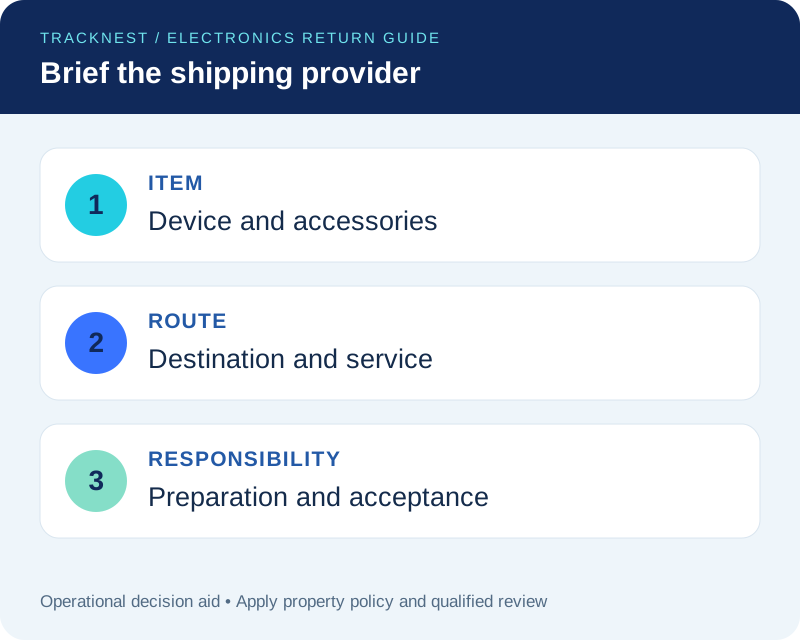
Identify the laptop using visible information that staff can collect without opening, charging or unlocking it. Include separate accessories and any relevant condition observations. State the origin, destination and exact requested service. Keep guest contact and delivery details in the authorized shipping record, rather than spreading them across unrelated staff chats.
USPS maintains specific restrictions for hazardous materials, including battery-containing electronics. The practical consequence for a hotel is to check the current rules for the proposed mailing rather than infer acceptance from the existence of a prepaid label. USPS shipping restrictions.
Ask six questions before committing to dispatch
- Can you assess and accept this exact used device, with these accessories and condition observations, for this destination?
- Is the requested service appropriate, or does the proposed route need to change?
- What information or documentation is still missing before you can make that decision?
- Who will take responsibility for the required preparation, packaging, marking and documentation?
- Where and how will the prepared parcel be accepted, and what evidence of acceptance will we receive?
- What should we do if the item, destination, service or observed condition changes before handoff?
Write down the provider, the scope of the answer and the date. A generic support answer about “laptops” is weaker than a review that explicitly addresses the facts of the return. Staff should not treat a telephone note as a substitute for any required shipment documentation or training.
Keep ownership and transport review separate
A corporate laptop adds another possible complication: the hotel may need to follow its policy for verifying who is entitled to collect it and who can authorize the return destination. The fact that someone attended a meeting does not resolve that issue. Ask the appropriate claimant for information through approved channels; do not investigate ownership by reading files on the computer.
Once the claim is approved, the transport question remains independent. A verified owner can request an unsuitable shipping service. Staff can acknowledge the request without promising to use it.
A prepaid-label example
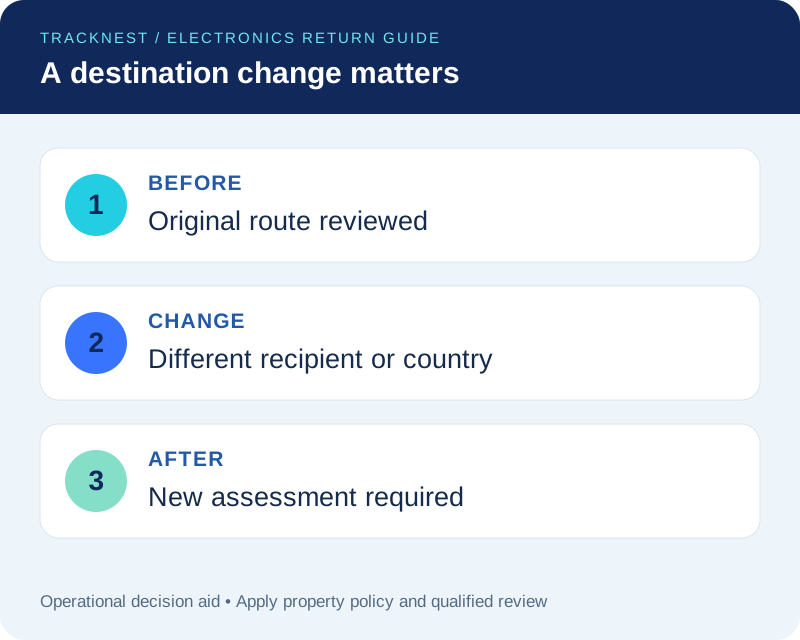
The guest supplies an express label, then changes the destination to a colleague's overseas office. Treat the change as a new proposal for the shipping provider. Do not reuse a prior domestic assessment or assume the same paperwork applies. Tell the guest that the hotel is confirming an accepted return method and will provide a dispatch update after actual handoff.
Use precise progress messages
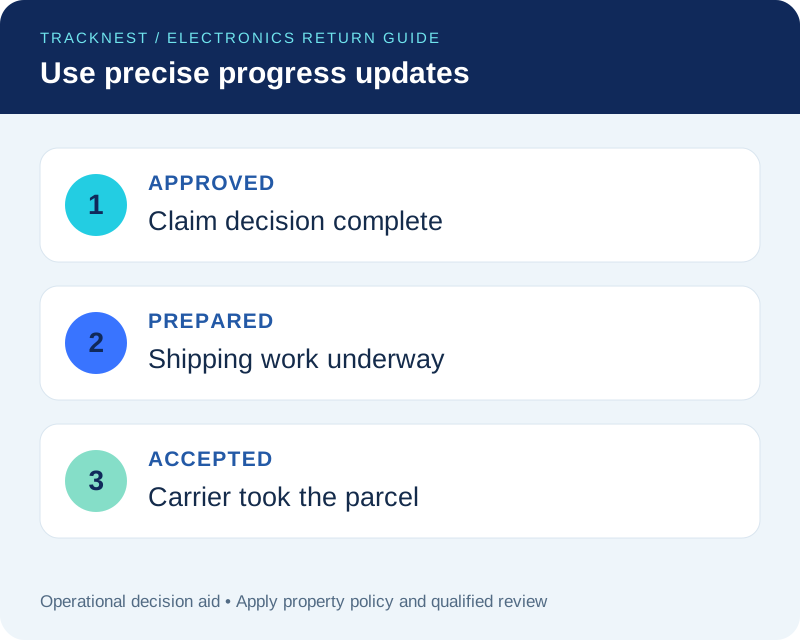
Separate “return approved,” “shipping option confirmed,” “label prepared,” and “carrier accepted.” If acceptance has not happened, say so. Record the reason for any delay and the person responsible for resolving it. Avoid guaranteeing arrival dates that neither the hotel nor the selected provider has confirmed.
PHMSA's resources provide the underlying transport-safety context. Have qualified personnel use the applicable rules for the actual shipment; this question list does not teach front-desk employees to classify or pack hazardous materials. PHMSA transport guidance.
Published October 14, 2026. Original TrackNest operational guidance; source guidance checked October 14, 2026. Confirm current requirements for each return.