

The strongest return record lets a colleague reconstruct what was approved and what actually happened without opening a guest's device or reading a long chain of emails. The template below separates claim approval, shipment review and physical release. Adapt it to your property's policy and existing record system; it is a suggested operational structure, not a claim that any particular software includes these exact fields.
Section 1: found-item identity
- Internal item reference:
- Date, time and location found:
- Received by:
- Visible description and associated objects:
- Observed condition or reported concern:
- Approved storage reference:
Use the internal reference on subsequent notes so that staff do not repeat guest details unnecessarily. Distinguish facts observed by staff from statements supplied by someone else. If a second item is found later, link it explicitly instead of silently changing the original description.
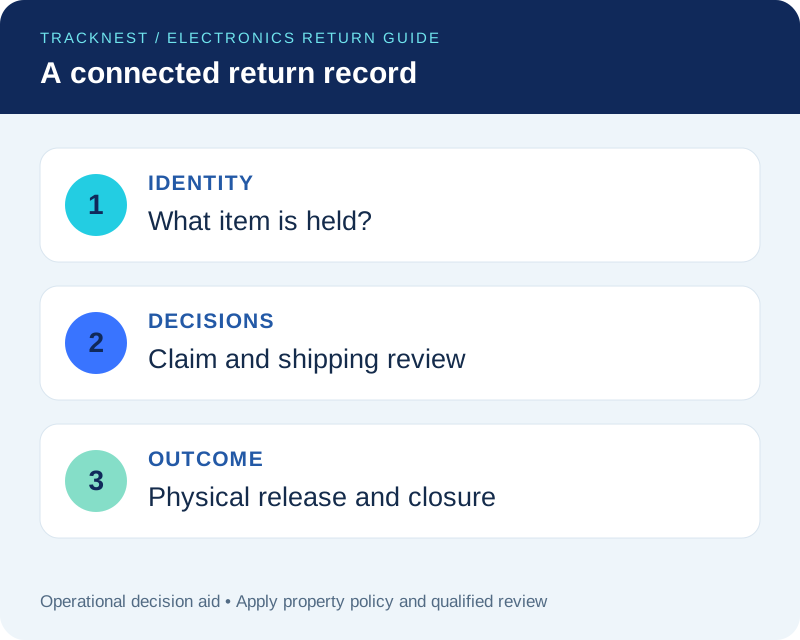
Section 2: claim decision
- Claim received at:
- Approved contact channel or record reference:
- Description supplied independently by claimant:
- Verification completed under property policy:
- Unresolved discrepancies:
- Reviewer, decision and decision time:
- Authorized collector or approved return recipient:
Record the outcome of the approved check without copying passcodes, device contents or unnecessary identity-document images. If collection is delegated, identify the authorization separately. A person asking about the item and a person authorized to receive it are not automatically the same role.
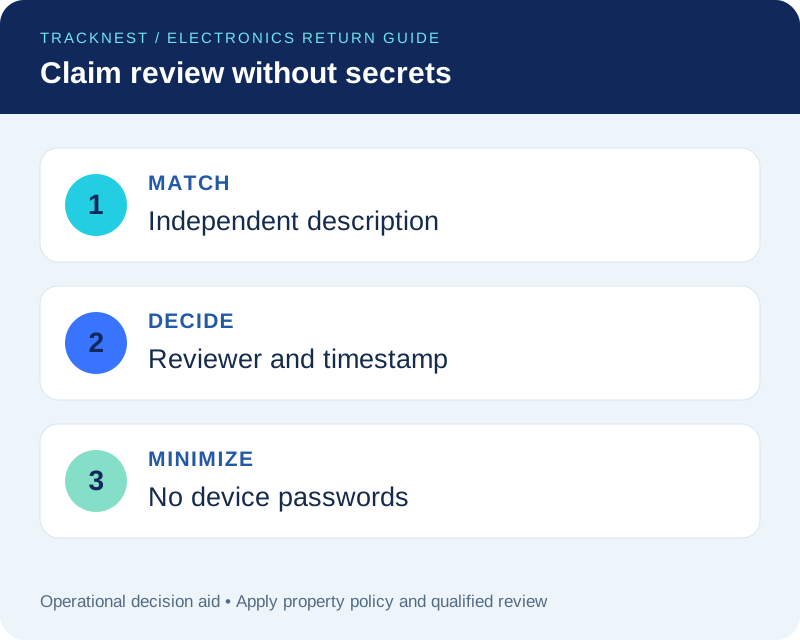
Section 3: shipping review
- Actual items and accessories proposed for this shipment:
- Requested destination and service, in the restricted shipping record:
- Provider or qualified reviewer:
- Information supplied and questions still open:
- Accepted method or reason review remains pending:
- Who is responsible for required preparation and documentation:
- Date of review and changes that require another review:
Attach or reference the provider's applicable instructions in the authorized system. This template does not establish transport compliance. PHMSA provides resources for the shipment-specific requirements, and the responsible shipper must assess the actual return. PHMSA guidance.
Section 4: handoff and closure
- Release authorized by:
- Released by and date/time:
- Collector or carrier acceptance reference:
- Tracking or receipt reference, if applicable:
- Guest update sent at:
- Remaining action, owner and next review:
- Final outcome and closure reason:
Keep “label created” separate from “accepted by carrier.” If the carrier does not collect the parcel, retain the custody status and assign another action. If a guest chooses pickup instead, record that actual outcome rather than leaving the shipping workflow looking complete.
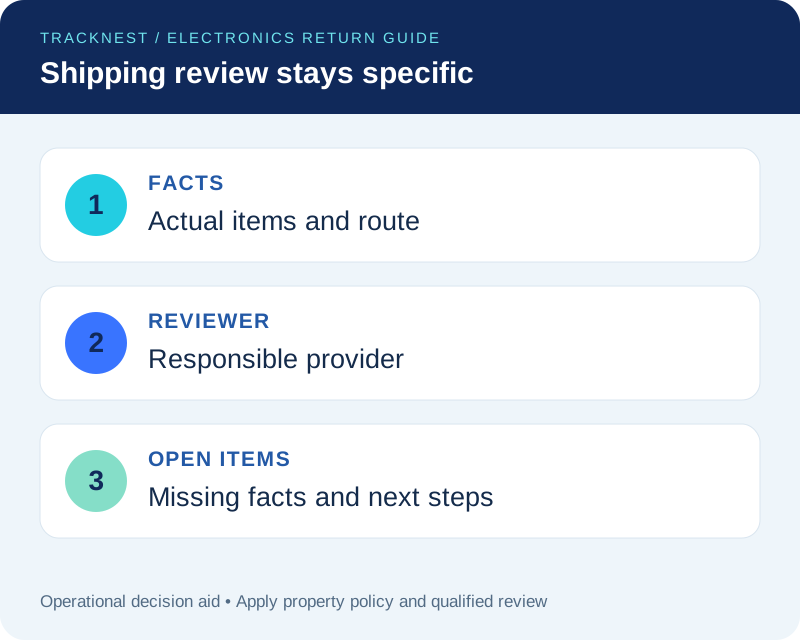
A completed example without real guest data
Illustrative record: item H-104 contains one laptop and its wall adapter. Claim review is approved by the duty manager. Shipping review is pending because the provider needs additional device information. No label has been treated as acceptance, and the item remains in the approved storage location. The next action belongs to the manager on the following shift. This is a useful record even though the return is not finished: it makes the unfinished decision unmistakable.
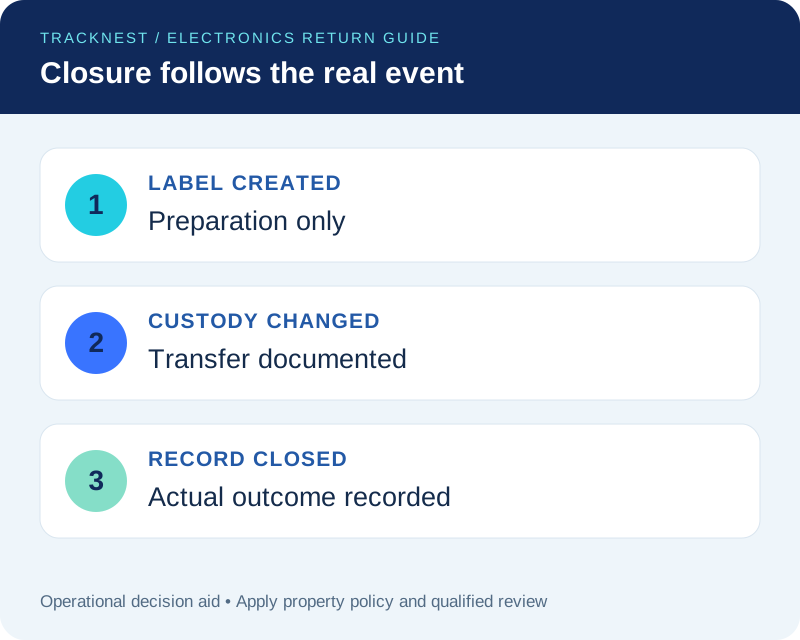
Limit access and define retention
Store addresses and contact details only in the systems that staff need for the return. Use a limited operational summary for general shift handovers. The FTC recommends retaining necessary data, restricting access and using an appropriate retention policy. Apply those principles to the return record and follow applicable legal and property requirements rather than choosing a blanket retention period from a blog. FTC business information-protection guide.
Published October 14, 2026. Original TrackNest operational guidance; source guidance checked October 14, 2026. Confirm current requirements for each return.