
Professional Guide
How QR Codes Improve Package Accountability
A practical, reader-friendly guide with clear sections, useful takeaways, and next steps.
Overview
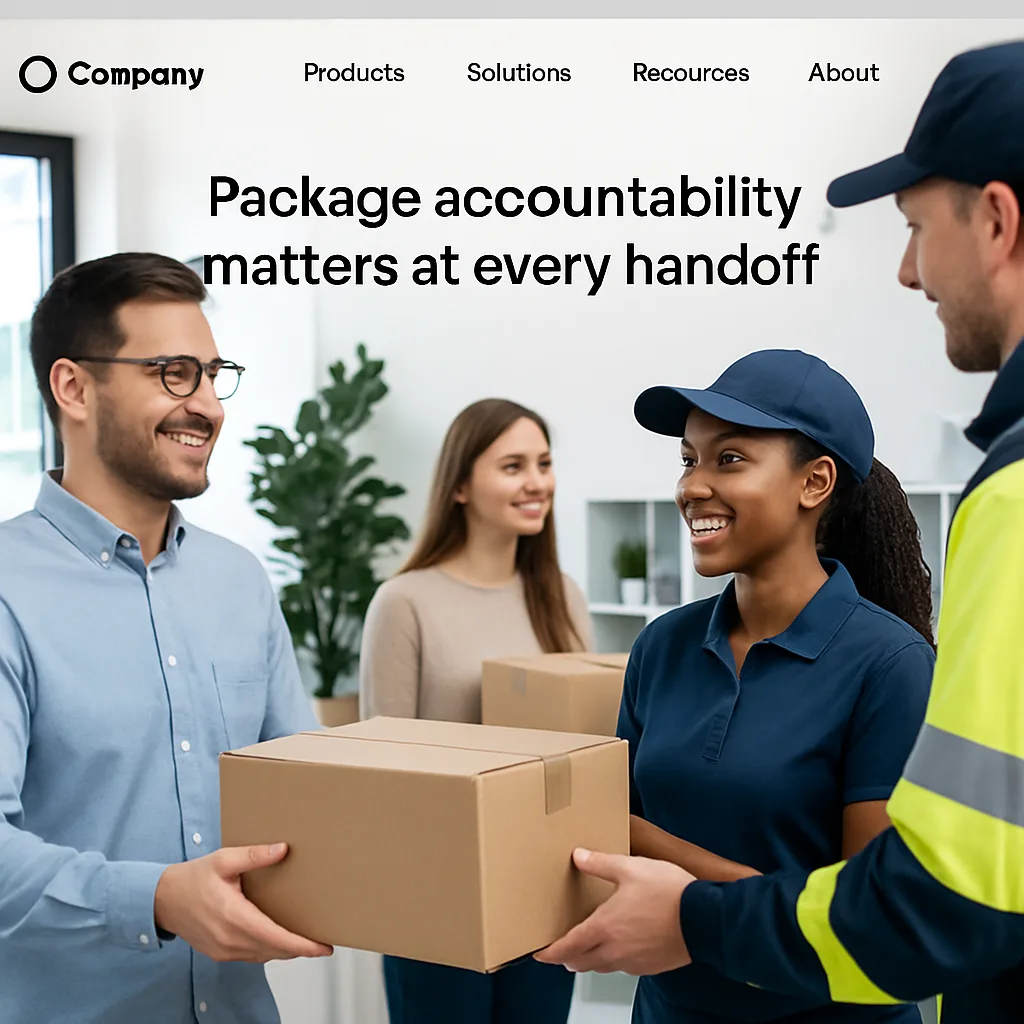
Package accountability matters at every handoff. Whether your team manages internal mail, facility deliveries, student packages, employee assets, or customer pickups, every item needs a clear chain of custody. Understanding how QR codes improve package accountability can help organizations reduce confusion, document activity, and create a more reliable pickup process from arrival to release.
TrackNest ISST helps teams bring structure to package tracking with simple scan-based workflows designed for real-world receiving areas, mailrooms, front desks, and service points. By using QR codes to connect each package to a digital record, teams can move beyond paper logs and guesswork toward faster, clearer, and more defensible tracking.
Why Package Accountability Is So Important
Packages often pass through multiple people before they reach the final recipient. A delivery may be accepted by one employee, sorted by another, stored in a holding area, and released by a third person. Without a consistent system, it can be difficult to answer basic questions such as:
Who received the package?
When did it arrive?
Where was it stored?
Who was notified?
When was it picked up?
Who released it?
When these details are missing, teams spend valuable time searching, checking with coworkers, or reviewing incomplete notes. In busy environments, even small gaps in documentation can lead to delays, misplaced items, duplicate notifications, or disputes about whether a package was ever delivered or collected.
A QR-based package tracking process creates a simple digital trail that makes each step easier to verify.
How QR Codes Improve Package Accountability
QR codes improve package accountability by giving every package a unique, scannable identity. Instead of relying on handwritten descriptions or manual spreadsheet entries, staff can scan a code and instantly connect the package to the right digital record.
This record can include key details such as the recipient name, carrier, arrival time, storage location, package status, pickup confirmation, and staff activity. Each scan helps document what happened and when it happened.
For example, a package can be scanned when it arrives, scanned again when it is moved to a shelf or locker, and scanned a final time when it is released to the recipient. These scan events create a practical history that helps staff confirm the package’s journey from intake to pickup.
The result is a more accountable process where fewer details are left to memory, paper notes, or informal communication.
Creating a Clear Chain of Custody
A strong chain of custody is one of the biggest advantages of QR package tracking. Every scan adds another point of visibility, making it easier to see who handled the package and where it was during each stage.
This is especially useful for organizations that handle high package volumes, sensitive deliveries, or shared receiving areas. When multiple staff members work different shifts, a digital scan history helps keep everyone aligned. A new team member can check the package record instead of relying on verbal updates from someone who may no longer be on duty.
A clear chain of custody can also help resolve common questions. If a recipient says they were not notified, staff can review the notification history. If a package appears to be missing, the last recorded scan can show where it was placed or who handled it last. If there is confusion about pickup, release details can help confirm whether the package was collected.
Reducing Manual Entry and Human Error
Manual package logs can work for very small operations, but they often become harder to manage as volume grows. Handwriting can be unclear, details may be skipped, and entries may be recorded inconsistently from one staff member to another.
QR codes simplify the process. Instead of repeatedly typing or writing the same information, staff can scan a code and update the package record quickly. This reduces the chance of misspelled names, missing timestamps, incorrect locations, or incomplete pickup notes.
Digital records also make it easier to search and filter package activity. Rather than flipping through pages or sorting through long spreadsheets, staff can find the package record they need and see its current status more efficiently.
Improving Pickup Verification
Package accountability does not end when an item arrives. The release process is just as important. QR codes can support better pickup verification by connecting the final handoff to a documented record.
When a package is ready for pickup, the recipient can be associated with a unique package record. At release, staff can scan the QR code to confirm the item being handed over and update the package status. Depending on the process, the record may also include recipient confirmation, staff confirmation, pickup time, or other release details.
This creates a more reliable handoff than simply marking a box as “picked up” in a paper log. It helps staff confirm that the right item is going to the right person and that the package is no longer waiting in storage.
For organizations that handle frequent package pickups, this level of verification can make the process smoother for both staff and recipients.
Helping Teams Work Faster Without Losing Control
Accountability should not slow down daily operations. A good QR package tracking system improves control while helping staff move quickly.
Scanning a package is faster than writing detailed notes by hand. Searching a digital record is faster than checking multiple shelves, clipboards, or email threads. Updating package status with a scan keeps the workflow simple while still creating useful documentation.
This balance is important for busy environments such as apartment communities, corporate offices, schools, universities, healthcare facilities, coworking spaces, warehouses, and multi-department organizations. Staff need a process that is easy to follow during peak delivery periods, not a complicated system that only works when things are quiet.
QR codes make accountability part of the workflow rather than an extra administrative burden.
Increasing Visibility Across Locations and Teams
When package tracking is handled manually, visibility is often limited to the person standing near the logbook or storage area. QR-based tracking creates a more accessible source of truth.
Authorized team members can view package status, check recent activity, and confirm whether an item is waiting, moved, notified, or picked up. This is helpful when multiple people share responsibility for receiving and releasing packages.
For organizations with multiple locations, scan-based tracking can also help standardize the process. Each team can follow the same basic workflow while maintaining location-specific package records. This creates more consistency and makes reporting easier across departments, buildings, or service points.
What to Look for in a QR Package Tracking System
The best QR package tracking systems are simple enough for daily use but structured enough to support accountability. Important features may include:
Unique QR codes for individual packages
Easy package intake and status updates
Searchable package records
Timestamped scan activity
Recipient and staff visibility
Pickup or release confirmation
Storage location tracking
Notification support
Reporting and activity history
The goal is not just to scan a label. The goal is to connect every package to a reliable record that helps your team know what happened, where the package is, and what needs to happen next.
Frequently Asked Questions
What does a QR code do for package tracking?
A QR code gives a package a unique digital identity. When staff scan the code, they can access or update the package record, including arrival details, storage location, recipient information, and pickup status.
How do QR codes improve package accountability?
QR codes improve accountability by documenting package activity at each stage. Scans can record when a package arrived, where it was placed, who handled it, when the recipient was notified, and when it was picked up.
Are QR codes better than paper package logs?
For many teams, QR codes are more efficient and reliable than paper logs. They reduce manual entry, make package records easier to search, and create a clearer history of package movement and release activity.
Can QR codes help prevent lost packages?
QR codes can help reduce confusion by improving visibility and documentation. While no system can guarantee that a package will never be misplaced, scan-based tracking makes it easier to locate the last known status and identify where issues may have occurred.
Who benefits from QR package tracking?
QR package tracking can benefit mailrooms, apartment communities, offices, schools, universities, healthcare facilities, coworking spaces, warehouses, and any organization that receives and releases packages on behalf of others.
Bring More Accountability to Every Package Handoff
TrackNest ISST gives teams a practical way to track packages with clearer records, faster scans, and better visibility from arrival to pickup. If your organization is ready to replace manual logs with a more accountable package workflow, TrackNest ISST can help you create a process your staff can use with confidence every day.nnRecommended Related Resourcesnn- how qr codes improve package accountability: https://tracknest-isst.us/uncategorized/resident-package-tracking-software-for-multifamily-buildings-2/n- how qr codes improve package accountability: https://tracknest-isst.us/uncategorized/resident-package-tracking-software-for-multifamily-buildings/n- how qr codes improve package accountability: https://tracknest-isst.us/package-tracking/best-apartment-package-management-software/
Next Step
Need help with this?
Contact the team to discuss your needs, ask questions, and choose the best next step.