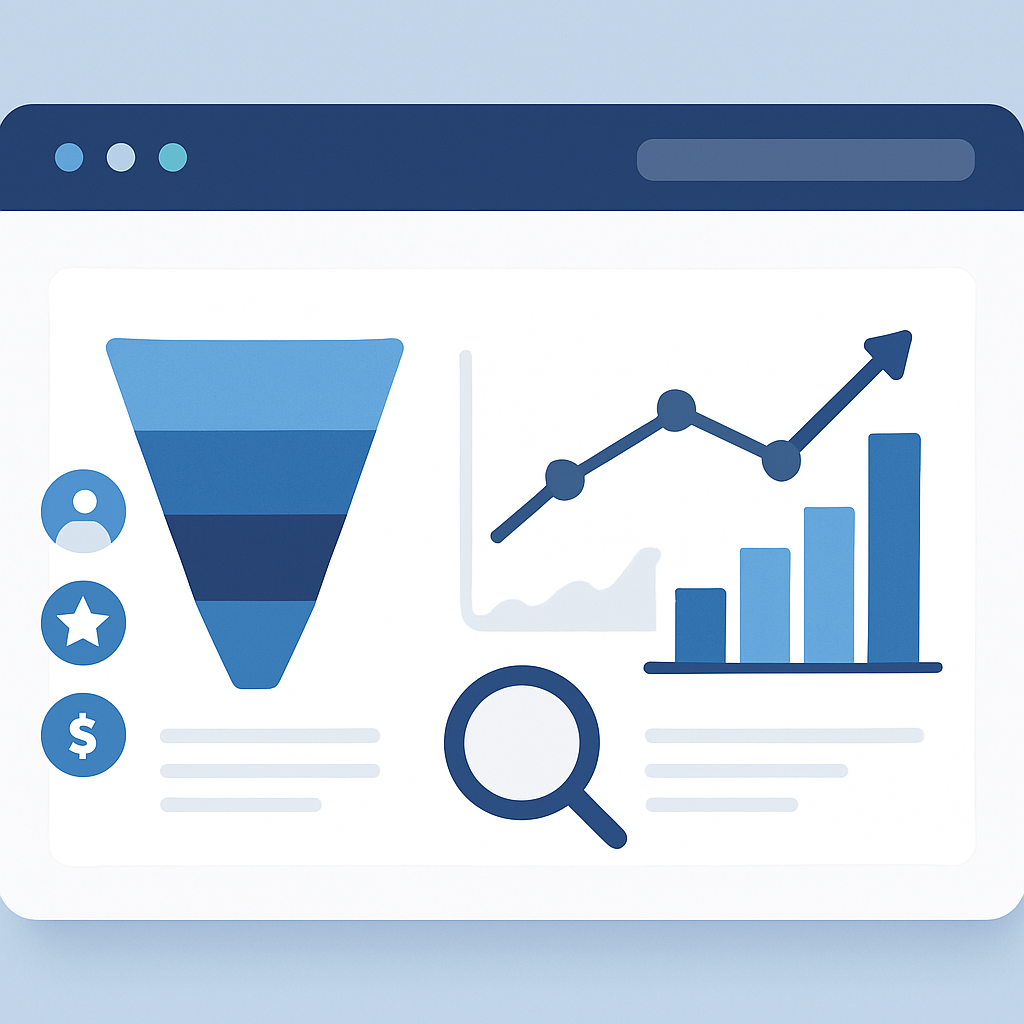
At TrackNest ISST, we help businesses approach digital marketing with clarity, consistency, and purpose. Instead of relying on random campaigns or disconnected tools, a strong strategy connects your website, content, search visibility, social presence, paid advertising, and customer journey into one coordinated growth system.
Why Digital Marketing Strategy Matters
Digital marketing works best when every effort supports a clear business objective. Posting online, running ads, or updating a website without a plan can create activity, but it may not create momentum.
A well-built strategy helps you understand who your audience is, what they need, where they spend time online, and what message will move them closer to taking action. It also gives your business a framework for measuring performance and improving over time.
The right strategy can help you:
Increase brand visibility Attract more qualified website traffic Improve lead generation Strengthen customer trust Support sales conversations Make better use of your marketing budget Identify what is working and what needs adjustment
The most effective digital marketing plans are not built around trends alone. They are built around your audience, your goals, and a consistent process for testing and improving results.
Best Digital Marketing Strategies for Sustainable Growth
The best digital marketing strategies often combine multiple channels instead of depending on one tactic. A business that only relies on paid ads may see traffic stop when the ad budget pauses. A business that only relies on social media may struggle to convert followers into leads. A business that only focuses on SEO may miss immediate opportunities while organic visibility develops.
A balanced approach may include search engine optimization, content marketing, paid advertising, social media, email marketing, conversion optimization, and analytics. When these pieces work together, each channel supports the others.
For example, SEO can bring visitors to your website, content can educate them, retargeting ads can bring them back, email can nurture their interest, and conversion-focused landing pages can encourage action. This connected approach creates a stronger customer journey than isolated marketing efforts.
Search Engine Optimization That Builds Long-Term Visibility
Search engine optimization is one of the most valuable digital marketing strategies because it helps people find your business when they are actively searching for solutions. SEO focuses on improving your website’s visibility in search engines through relevant content, technical performance, keyword targeting, and site structure.
A practical SEO strategy includes understanding the search terms your audience uses, creating useful pages around those topics, improving page speed and mobile experience, and making your content easy for both visitors and search engines to understand.
Strong SEO is not about stuffing keywords into pages. It is about providing helpful, relevant information that answers real questions and guides visitors toward the next step. Over time, this can help your website become a more useful resource for potential customers.
Content Marketing That Educates and Converts
Content marketing supports nearly every part of a digital strategy. Blog posts, service pages, guides, case studies, FAQs, videos, and email content can all help your audience understand their problems and evaluate your solutions.
Good content does more than fill space on a website. It builds authority, answers objections, improves search visibility, and gives your sales process stronger support. When prospects arrive with questions, your content should help them feel informed and confident.
Effective content marketing usually starts with the customer journey. Some visitors are just beginning to research. Others are comparing providers. Some are ready to make contact. Your content should meet people at each stage with useful, direct, and relevant information.
Paid Advertising for Targeted Reach
Paid digital advertising can help your business reach the right audience faster. Platforms such as search engines and social media networks allow businesses to target users based on keywords, location, interests, behaviors, and intent.
Paid search is especially useful when people are actively looking for a product or service. Social media advertising can be helpful for brand awareness, retargeting, and promoting specific offers. Display and remarketing campaigns can keep your business visible to people who have already interacted with your website.
The key to paid advertising is careful management. Campaigns should have clear goals, focused messaging, strong landing pages, and regular performance reviews. Without monitoring and optimization, ad spend can disappear quickly without producing meaningful outcomes.
Social Media Marketing That Supports Brand Trust
Social media is not just about posting frequently. It is about showing up with purpose. The right social media strategy helps your business stay visible, share expertise, engage with your audience, and direct people toward useful next steps.
Different platforms serve different purposes. LinkedIn may be better for professional services and B2B relationships. Facebook may support local visibility and community engagement. Instagram can help visual brands build recognition. The best platform depends on your audience and business goals.
A successful social media strategy should include consistent branding, relevant topics, clear calls to action, and a mix of educational, promotional, and relationship-building content. When managed well, social media can strengthen trust and support other marketing channels.
Conversion Optimization and Website Experience
Traffic alone does not create growth. Your website must be designed to convert visitors into leads, inquiries, bookings, or customers. Conversion optimization focuses on improving the user experience so visitors can quickly understand what you offer and take action with confidence.
Important conversion elements include clear headlines, simple navigation, strong service descriptions, fast-loading pages, mobile-friendly design, trust signals, testimonials, contact options, and focused calls to action.
Every page should have a purpose. Visitors should not have to guess what your business does, why it matters, or how to get started. A strong website makes the path forward clear.
Email Marketing and Lead Nurturing
Email marketing remains one of the most effective ways to stay connected with prospects and customers. It allows your business to follow up, educate, announce updates, promote offers, and maintain relationships over time.
Lead nurturing is especially important when customers are not ready to buy immediately. A helpful email sequence can keep your brand top of mind while providing useful information that supports the decision-making process.
Successful email marketing depends on relevance. Messages should be timely, valuable, and connected to the recipient’s interests. Whether your business sends newsletters, automated follow-ups, or customer updates, email can help turn initial interest into long-term engagement.
Tracking, Analytics, and Continuous Improvement
Digital marketing becomes more powerful when decisions are based on data. Analytics help you understand where visitors come from, which pages they view, what actions they take, and which campaigns contribute to leads or sales.
Tracking also helps identify weak points. If a campaign brings traffic but no conversions, the landing page may need improvement. If visitors leave quickly, the content may not match their expectations. If leads are low, the offer or call to action may need refinement.
The best digital marketing strategies are never static. They are reviewed, tested, and improved over time. This ongoing process helps your business respond to changes in customer behavior, market competition, and platform updates.
Frequently Asked Questions
What is the most effective digital marketing strategy?
The most effective digital marketing strategy depends on your business goals, audience, industry, and budget. For many businesses, the strongest approach combines SEO, content marketing, paid advertising, social media, email marketing, and conversion-focused website improvements.
How long does digital marketing take to work?
Some tactics, such as paid advertising, can generate traffic quickly. Others, such as SEO and content marketing, usually take longer to build momentum. A strong strategy often includes both short-term and long-term efforts so your business can create immediate opportunities while building sustainable visibility.
Do small businesses need digital marketing?
Yes. Digital marketing helps small businesses compete, reach local or niche audiences, and build trust online. Even a focused strategy with a strong website, local SEO, useful content, and consistent follow-up can make a meaningful difference.
How do I know if my digital marketing is working?
Digital marketing performance can be measured through website traffic, keyword visibility, lead volume, conversion rates, ad performance, engagement, email response, and sales-related activity. The most important metrics are the ones connected to your business goals.
Should I focus on SEO or paid ads?
SEO and paid ads serve different purposes. SEO supports long-term organic visibility, while paid ads can provide faster targeted reach. Many businesses benefit from using both together, depending on their goals and available resources.
Build a Smarter Digital Marketing Strategy with TrackNest ISST
Your business deserves more than scattered marketing activity. With the right strategy, every channel can work together to attract the right audience, communicate your value, and support meaningful growth.
TrackNest ISST helps businesses create practical, data-informed digital marketing strategies designed around real goals. If you are ready to improve your online presence and make your marketing efforts more effective, connect with TrackNest ISST today to start building a strategy that works for your business.